
The Unseen Threat: Water Damage in Your California Home
The Chen family, living in a charming 1970s ranch home in Ventura County, woke up one Tuesday morning to a nightmare. Not the kind with monsters, but the quiet, insidious kind that starts with a drip. A pipe had burst behind the wall in their master bathroom, and water had been silently seeping for hours. It wasn’t a flood from outside, just a rogue plumbing failure. Their hardwood floors were buckling. The drywall was soaked. Panic set in. “Is this covered?” Mrs. Chen whispered, staring at the growing puddle. “This is why we have insurance, right?”
Most people think about fire and theft when they picture home insurance claims. You imagine a blaze, a broken window, something dramatic. Water damage, though, often feels like a stealthier, more common threat. It sneaks up on you. It’s incredibly destructive. And in California, where we have everything from coastal fogs to flash floods in the desert, understanding what your policy says about water is absolutely essential.
What Most People Think About Water Damage
Honestly, many homeowners just assume. They figure if water messes up their house, their insurance company will pick up the tab. And in a lot of cases, they’d be partially right. A standard homeowner’s policy – the HO-3 kind most people carry – *does* offer protection against certain types of water damage. Think about the Chen family’s burst pipe. That sudden, accidental event? Usually, that’s what a policy is designed for. Your washing machine hose ruptures. Your dishwasher overflows. A water heater fails spectacularly. These are the kinds of unexpected incidents that often fall under your policy’s property damage coverage.
But here’s the thing. The word “water” covers a lot of ground. And your policy? It draws some very specific lines.
The Big “But”: What Your Standard Policy *Actually* Covers
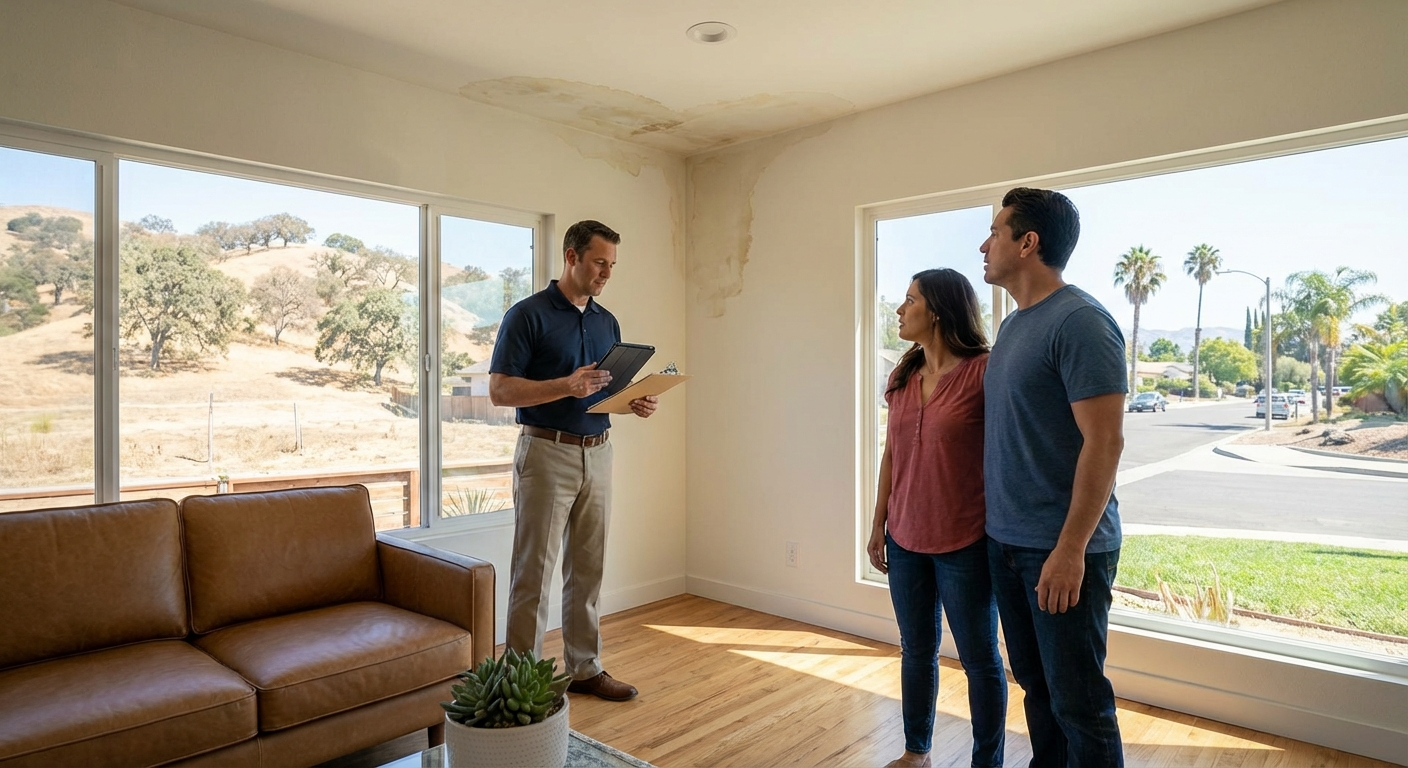
The key phrase here is “sudden and accidental.” That’s the sweet spot for most standard home insurance policies. The Chens’ burst pipe fits this perfectly. One minute, everything’s fine; the next, water’s gushing. The policy would likely cover the cost to tear out the damaged drywall, replace the flooring, and even dry out the structure. It would also cover the cost to repair or replace the pipe itself, up to certain limits.
Think about other common scenarios. Say your upstairs toilet overflows because of a forgotten bath toy. Water ruins the ceiling downstairs. Or maybe a sudden, heavy downpour causes rain to leak through a damaged window frame – that immediate damage could be covered. Even something like an ice dam in a colder California mountain community – less common in say, Orange County, but still a possibility – where melting snow backs up under shingles and into your attic, is typically covered. It’s about that unforeseen, abrupt event.
The Gradual Culprit: What Usually Isn’t Covered
Now, let’s talk about the tougher stuff. Remember that distinction between “sudden” and “gradual”? This is where many claims hit a wall. Imagine the Chens’ neighbors, the Garcias, who had a slow, unnoticed leak under their kitchen sink for months. The cabinet floor turned black with mold. The wood swelled. When they finally found it, the damage was extensive. Their insurance company might have a very different answer than the Chens received.
Why? Because insurance policies typically exclude damage that happens over time, due to neglect or a lack of maintenance. A slow, dripping pipe that you didn’t fix? That’s usually on you. Mold that grows because of long-term moisture issues? Also often excluded, or only covered if it’s a direct result of a *covered* sudden and accidental event – and even then, there might be specific sub-limits for mold remediation. Foundation cracks that let water seep into your basement or crawl space? Generally not covered by a standard homeowner’s policy. These are considered maintenance issues or structural problems, not sudden accidents.
When Water Comes from Outside: Flood vs. Homeowner’s
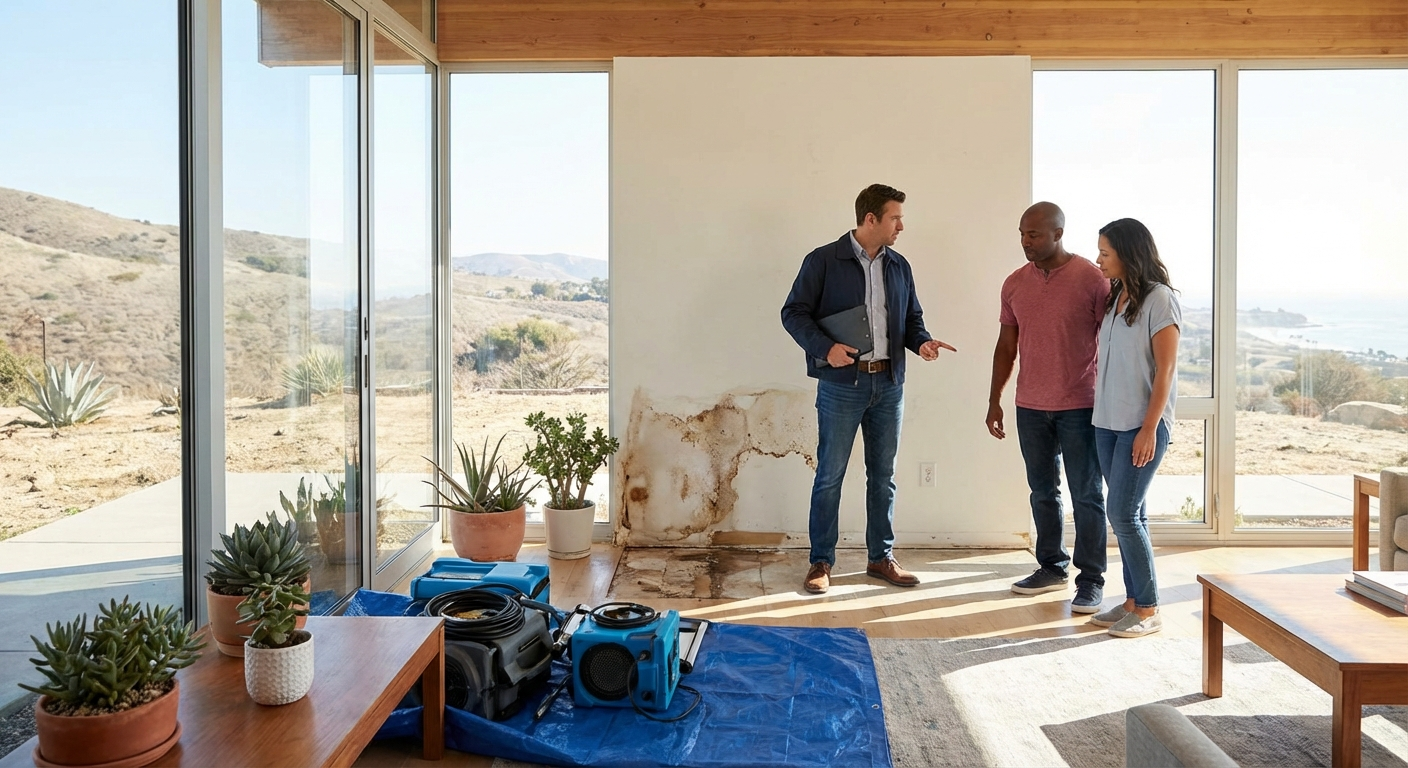
Which brings up something most people miss. Water damage from *inside* your house is one thing. Water damage from *outside* your house is often a completely different story. Many Californians live near rivers, coastlines, or in areas prone to flash floods after wildfires. Think about the Inland Empire, which can see massive runoff from the mountains during a heavy winter storm. If that runoff surges into your home, your standard homeowner’s policy won’t help.
Not always. Flood insurance is a separate policy. It’s usually purchased through the National Flood Insurance Program (NFIP) or a private insurer. Most regular homeowner’s policies specifically exclude flood damage. Even if the Chens had a burst pipe, and simultaneously, the street outside their Ventura home flooded and seeped under their doors, only the pipe damage would be covered by their regular policy. The street water damage? That needs a flood policy. It’s a critical distinction, especially in a state with such varied geography and weather patterns.
The Sewer Backup Conundrum
Here’s another tricky one: sewer and drain backup. Picture this: your main sewer line clogs, maybe from tree roots or a municipal system overload, and sewage backs up into your bathtub or toilet. Disgusting. Destructive. And often, *not* covered by a basic homeowner’s policy. It’s an endorsement – an add-on – you typically have to specifically request and pay extra for. Many homeowners don’t realize they need it until it’s too late.
Dealing with the Aftermath: Additional Living Expenses and Personal Property
When the Chen family’s bathroom was ripped apart, they couldn’t exactly shower or use the toilet. For a few weeks, they had to stay with relatives. This is where “Additional Living Expenses” (ALE) coverage comes in. If a covered loss makes your home uninhabitable, your policy can help pay for temporary housing, food, and other necessary expenses above your normal costs. It’s a lifesaver when you’re displaced.
What about their ruined rugs, the waterlogged cabinet, the damp towels and clothing? That falls under the “personal property” section of your policy. It covers your belongings up to a certain limit, usually either their actual cash value (depreciated value) or replacement cost (what it would take to buy new items), depending on your specific policy. It’s a huge relief to know your stuff isn’t a total loss.
The Wildfire Connection: Mudslides and Debris Flow
California isn’t just about bursting pipes and river floods. We have wildfires. And after a major fire — let’s say a series of intense blazes in the Santa Monica Mountains near Malibu or the fictional 2025 LA fires — the ground changes. Hillsides denuded of vegetation lose their ability to absorb rain. When the winter rains come, even moderate storms can trigger catastrophic mudslides, debris flows, and landslides.
Is that “water damage”? Is it “earth movement”? It’s often complex. Standard homeowner policies usually exclude “earth movement,” which includes landslides and mudslides. However, if the mudslide is *caused* by a specific, covered peril (like a wildfire that caused the ground to destabilize), things can get murky. Some homeowners in high-risk areas, especially after fires, find themselves needing specialized policies or relying on the California FAIR Plan — a state-mandated program that acts as an insurer of last resort when traditional carriers won’t cover certain risks. It’s a stark reminder that California’s risks aren’t always neatly packaged.
The Cost of Peace of Mind: Premiums and Deductibles
It’s no secret that California home insurance premiums have been climbing. We’ve seen premiums jump 40% between 2022 and 2024 for some homeowners, especially in areas with higher wildfire or flood risk. Insurers are pulling back, or getting very specific about what they’ll cover and for how much.
Your deductible plays a big role here. That’s the amount you pay out of pocket before your insurance kicks in. Choose a higher deductible, and your premiums usually go down. But when that pipe bursts, you’ll be paying more upfront. It’s a balance. And with Prop 103 impacting how much insurers can raise rates, they’re often making changes to coverage options or deductibles to manage their own risk.
Why an Expert Opinion Really Matters
That’s not the whole story. Getting a generic online quote for your home insurance? It might give you a number, but it won’t tell you if you’re truly protected against the specific water risks unique to your California property. Policies from State Farm, AAA, Farmers, or others aren’t identical. They have different sub-limits, different exclusions, and different options for endorsements.
This is exactly why someone like Karl Susman, from California Homeowner Quotes, is so important. With CA License #OB75129, Karl has spent years helping California homeowners understand these intricate details. He’s seen the heartbreak when a family discovers their “insurance” doesn’t cover the water damage they’re facing. His team doesn’t just sell policies; they help you understand what you’re buying. They look at your specific situation – where your house is, its age, your plumbing – and tailor coverage to match your actual exposure. You need someone who speaks fluent “California insurance.”
If you’re a California homeowner wondering about your water damage exposure, reach out to Karl’s team. They’re real people who get California insurance. Get a personalized quote today.
Asking the Right Questions
You shouldn’t wait for a crisis to understand your coverage. Proactive questions can save you immense stress and money. Ask your agent:
* “Do I have sewer backup coverage, and for how much?”
* “What are the limits and exclusions for mold damage?”
* “Is water damage from a leaky roof covered, especially if it’s an older roof?”
* “What about water damage from a retaining wall failing, or from heavy rain pushing through a basement window?”
* “Do I need separate flood insurance, even if I’m not in a designated flood zone?”
These questions help you identify gaps and ensure you’re not making assumptions that could cost you dearly.
Don’t Wait for the Drip
The Chen family eventually got their home repaired, but the process was a headache. Knowing their coverage beforehand would have eased some of that initial shock. Your home is probably your biggest asset. It’s where you live, where you make memories. Protecting it means understanding the threats it faces – and water is a persistent, often surprising, one. Don’t let a burst pipe or a heavy rainstorm catch you unprepared.
Don’t leave your biggest asset vulnerable to the unexpected. For a clearer picture of your California home insurance options, including critical water damage coverage, visit californiahomeownerquotes.com/get-a-quote/ and connect with an expert.
Frequently Asked Questions About Water Damage Coverage
- Is mold always covered by my home insurance?
Not always. Mold is usually only covered if it results directly from a sudden and accidental event that’s already covered by your policy, like a burst pipe. Mold caused by long-term leaks or neglect is typically excluded. Many policies also have specific, lower sub-limits for mold remediation.
- What if my neighbor’s tree falls and blocks my drain, causing water damage to my property?
This can be complex. If the tree falling was sudden and accidental, your policy might cover your damage. However, if the tree was diseased and your neighbor knew about it, their liability insurance might come into play. It often depends on who was negligent.
- Does my policy cover water damage from a leaky roof?
If the leak is sudden and caused by a covered peril (like a windstorm tearing off shingles), the resulting water damage is often covered. However, if the leak is due to an old, poorly maintained roof that slowly deteriorated over time, that’s typically considered a maintenance issue and wouldn’t be covered.
- What about water damage from an earthquake?
Standard home insurance policies do not cover damage from earthquakes, which includes water damage caused by an earthquake (like pipes breaking during a tremor). You need a separate earthquake insurance policy for that protection.
- How can I tell if I need flood insurance?
Even if you’re not in a high-risk flood zone, you could still be at risk. Heavy rain, melting snow, clogged storm drains, or new development nearby can all cause flooding. Check flood maps for your area through FEMA, and always discuss your specific property with an insurance agent like Karl Susman. They can help you assess your true exposure.
This article is for informational purposes only and does not constitute financial advice.