
Building Your Dream Home in California? Don’t Forget the Insurance Blueprint
The smell of fresh paint. The gleam of new appliances. That feeling of walking into a home no one else has ever lived in. Building a new house in California is a dream for so many. You’ve picked the perfect lot, agonizing over every detail from the foundation to the finishes. You’re probably thinking about contractors, permits, and maybe even the landscaping. But what about insurance? Honestly, it’s often an afterthought. It shouldn’t be.
For most California homeowners, getting insurance for an existing home can feel like a maze these days. Finding coverage for a brand-new build? That’s a whole different animal. It comes with its own set of questions, challenges, and sometimes, pleasant surprises. You might assume a new home is automatically easier or cheaper to insure. Not always. There’s a lot to unpack before you even get the keys.
Before the First Nail: Builder’s Risk and Your Role
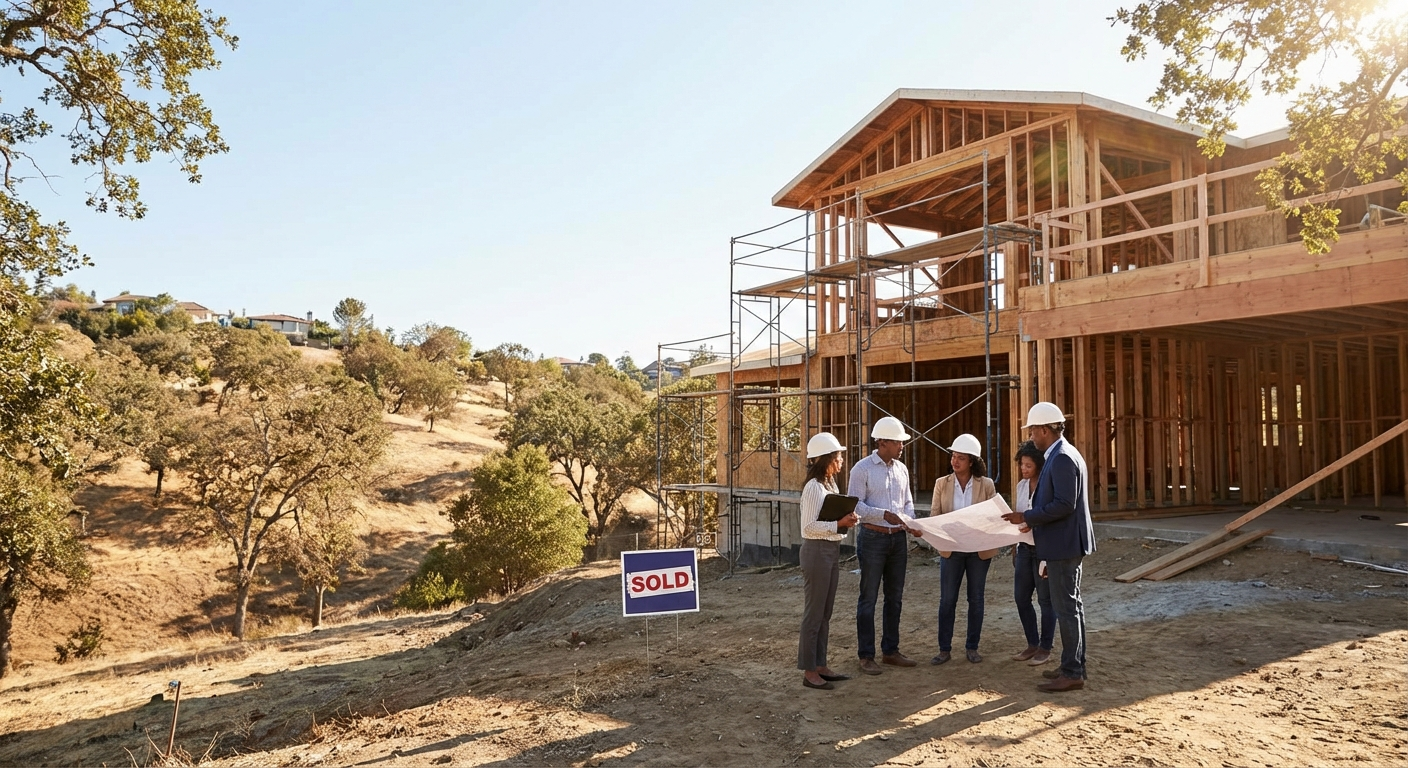
Before your dream house even starts looking like a house, there’s a lot of action on the job site. Materials get delivered. Crews come and go. Things can go wrong. Maybe a sudden storm damages lumber. Perhaps someone trips over a tool. That’s where something called “builder’s risk” insurance comes in. This policy protects the structure itself, the materials on site, and sometimes even the equipment, while the home is under construction.
Who buys it? Usually, your general contractor. They’re responsible for the site and the building process. Their policy covers things like fire, theft of materials, vandalism, or damage from natural events during construction. You, as the future homeowner, probably won’t be paying for this directly. But here’s where it gets interesting. You should absolutely ask your contractor to see proof of their builder’s risk policy. Make sure it’s current. Make sure it covers enough to rebuild if something truly catastrophic happens. Otherwise, you could be left with a half-built house and a huge headache.
Sometimes, if you’re acting as your own general contractor, or if it’s a very small build, *you* might need to get the builder’s risk policy. It’s less common, but it happens. This type of policy usually ends the moment the certificate of occupancy is issued. That’s your cue to switch gears and get your permanent homeowner’s insurance in place.

California’s Fiery Embrace: New Homes and Wildfire Risk
You’d think a brand-new home, built to the latest codes, would be a breeze to insure in California. And yes, modern building codes certainly help. They require things like fire-resistant roofing, defensible space considerations, and sometimes even dual-pane windows. These features definitely make a home safer. But wait — a new home isn’t immune to California’s unique challenges, especially when it comes to wildfires.
Even if your home is built with all the bells and whistles in a high-fire-risk area, insurers are still looking at the overall risk profile of the region. Think about the hills of Ventura County, or the sprawling developments on the edge of the Inland Empire. A new home there might still face premium hikes or limited options simply because of its geographic location. Premiums across the state have jumped significantly; some folks saw their rates climb 40% between 2022 and 2024. That’s not small change.
Many major insurers, like State Farm and Farmers, have pulled back from offering new policies in certain high-risk areas. Even AAA has tightened its belt. This isn’t just about old homes; it impacts new construction, too. A home built to WUI (Wildland Urban Interface) standards is certainly more appealing to an insurer, but it doesn’t guarantee a cheap policy or even a policy from a preferred carrier.
Beyond Fire: Earthquakes, Floods, and the Golden State’s Quirks
Wildfires get a lot of attention, and for good reason. But California has other risks. Earthquakes? Yep, those aren’t covered by a standard homeowner’s policy, new build or old. You’ll need a separate earthquake policy, usually through the California Earthquake Authority (CEA) or a private insurer. Most new homes are built to stricter seismic codes, which is great for safety, but it doesn’t mean you don’t need the insurance.
Flooding is another one. Heavy rains, especially after a wildfire has stripped hillsides bare, can cause massive mudslides and floods. Again, not covered by your typical homeowner’s policy. If you’re building in a flood zone – and remember, new development sometimes pushes into previously undeveloped areas that might be prone to flooding – you’ll need a separate flood insurance policy, often through the National Flood Insurance Program (NFIP).
Which brings up something most people miss. Even if your new home is built to the highest standards, something unforeseen can happen. A pipe bursts in the wall. A delivery truck backs into your brand-new garage door. These are the everyday risks your homeowner’s policy is designed to handle.
What a New Homeowner’s Policy Covers (and What It Doesn’t)
So, your home is finished. The builder’s risk policy is off the books. Now it’s time for your homeowner’s insurance. A standard HO-3 policy, which is what most homeowners in California get, usually covers:
* **Dwelling:** This protects the physical structure of your home, including the attached garage, built-in appliances, and anything permanently affixed.
* **Other Structures:** Think detached garages, sheds, fences.
* **Personal Property:** Your stuff inside the house – furniture, clothes, electronics.
* **Loss of Use:** If a covered event makes your home unlivable, this helps pay for temporary living expenses like hotel rooms or rental costs.
* **Personal Liability:** If someone gets hurt on your property and you’re found responsible, this helps cover legal fees and medical bills.
But here’s the thing. Even a shiny new home policy has its limits. We’ve talked about earthquakes and floods being separate. But what about mold? That’s often excluded or has very limited coverage. Water damage from a burst pipe is usually covered, but if it leads to mold that you didn’t address quickly enough, the mold remediation itself might not be.
New construction also means higher replacement costs. Why? Because rebuilding a new home to today’s codes, with today’s material and labor costs, is expensive. Don’t skimp on your dwelling coverage. You’ll want enough to completely rebuild your home from the ground up, including debris removal and any necessary upgrades to meet current building codes. Many policies offer “extended replacement cost” which can give you an extra 20-50% above your dwelling limit if rebuilding costs unexpectedly soar. It’s a smart addition.
Shopping for Your New Home’s Protection: Tips and Tricks
You’re probably eager to move in. But don’t wait until the closing table to think about insurance. Start shopping around *before* your home is finished.
1. **Get Quotes Early:** As soon as you have blueprints and a completion date, start talking to insurance agents. This gives you time to understand your options and secure a policy. You don’t want to be scrambling days before closing.
2. **Accurate Replacement Cost:** Work with your builder to get a detailed estimate of the full replacement cost. This isn’t the market value of your home; it’s what it would cost to rebuild it. Your agent will use this to set your dwelling coverage limit.
3. **Consider Endorsements:** Things like water backup coverage (for sewer or drain backups), service line coverage (for pipes leading to your home), and identity theft protection are all smart additions.
4. **Ask About Discounts:** Many insurers offer discounts for new construction, smart home technology, security systems, and fire-resistant features. Ask specifically about wildfire mitigation discounts if your home is in a high-risk area.
5. **Talk to an Independent Agent:** In California’s challenging insurance climate, an independent agent can be your best friend. They work with multiple carriers, not just one, and can help you find options you might not discover on your own. They know the market, they understand Prop 103’s impact, and they can often find solutions even when big names like State Farm are pulling back.
This is where someone like Karl Susman at California Homeowner Quotes comes in handy. With his team, you’re getting someone who lives and breathes California insurance. They know the ins and outs, the new rules, and how to help you find the right fit for your new home. You can reach them at (877) 411-5200, or you can get a quick start on finding options right now. Click here to explore your homeowner’s insurance quotes: https://californiahomeownerquotes.com/quote/.
The FAIR Plan: A Last Resort, Even for New Builds
What if, despite all your efforts, you can’t find a traditional homeowner’s policy? That’s where the California FAIR Plan steps in. It’s an “insurer of last resort” for properties that can’t get coverage in the voluntary market. It will provide basic fire coverage, but it’s not a full homeowner’s policy. You’d still need to get a “Difference in Conditions” (DIC) policy from a separate carrier to cover perils like liability, theft, and water damage.
While it’s there as a safety net, the FAIR Plan isn’t ideal. It’s often more expensive, and the coverage is less comprehensive. For a brand-new home, you really want a full, robust policy that protects your significant investment. It’s always best to exhaust all other options before turning to the FAIR Plan.
Getting a new home in California is an exciting journey. Don’t let the insurance part become a source of stress. Plan ahead, ask the right questions, and work with someone who understands the local market. That way, you can enjoy your new home with true peace of mind. Karl Susman, California Homeowner Quotes, CA License #OB75129, is always ready to help guide you through the process. Don’t hesitate to reach out. Or, if you’re ready to start exploring options, visit https://californiahomeownerquotes.com/quote/ to get started.
Frequently Asked Questions About Insuring New Construction
Do I need insurance before my new home is finished?
You’ll need two main types of insurance. Your builder should have “builder’s risk” insurance to protect the house during construction. Once the certificate of occupancy is issued and the home is substantially complete, you’ll need to have your permanent homeowner’s insurance policy in place. It’s smart to start shopping for your homeowner’s policy well before closing.
Will my new home be cheaper to insure?
The short answer is yes, sometimes. New homes often have modern building materials, up-to-date electrical and plumbing systems, and may incorporate fire-resistant features or smart home technology. These can lead to discounts. The real answer is more complicated. If your new home is in a high-risk area for wildfires or other natural disasters, those geographic factors can still drive premiums up, sometimes significantly, regardless of how new the home is.
What if my builder already has insurance?
That’s great! Your builder’s insurance (builder’s risk and liability) protects *them* and the construction process. It generally doesn’t protect *you* as the homeowner or your personal belongings once you move in. You’ll need your own homeowner’s policy to cover your property and liability once the home is yours. Always ask for proof of your builder’s current insurance.
What’s the difference between builder’s risk and homeowner’s insurance?
Builder’s risk insurance protects the physical structure and materials of a home while it’s under construction. It typically covers perils like fire, theft, and vandalism during the building phase. Homeowner’s insurance, on the other hand, protects the completed home, your personal property, and provides liability coverage once you’ve moved in and the home is occupied. They serve different purposes during different stages of your home’s life.
—
This article is for informational purposes only and does not constitute financial advice.