The Shifting Sands of California Home Insurance for 2026
For anyone owning a home in California, the insurance landscape feels like it’s constantly moving underfoot. It’s not just a feeling, either. Premiums have jumped dramatically for many homeowners — some seeing increases of 40% or more between 2022 and 2024. And getting coverage? That’s become a real challenge, with major carriers like State Farm and Allstate pulling back from new policies in the Golden State.
So, what does that mean for 2026? Well, it means you can’t wait until the last minute to think about your policy. The changes happening right now, driven by wildfire risks, rising repair costs, and new regulatory actions, will directly shape what your home insurance looks like a couple of years down the road. It’s not just about renewing; it’s about understanding a whole new set of rules.
Why 2026 Isn’t Just Another Year for Your Policy
California’s insurance market is in a tough spot. Wildfires, like the devastating ones we’ve seen across the state, particularly in places like the Sierra foothills or even the fringes of the Inland Empire, have made insurers wary. They’re losing money, plain and simple. That’s why you’ve seen big names either stop writing new policies or non-renew existing ones, especially in high-risk areas.
The state’s Department of Insurance is trying to fix things. They’re pushing through significant reforms, often called “rate modernization.” This isn’t just bureaucratic jargon. It’s a fundamental shift in how insurance companies calculate risk and, more importantly, how they can price their policies. Traditionally, insurers had to look backward at past losses. But here’s where it gets interesting. Regulators are now allowing them to use forward-looking models, which means they can predict future risks – like those from a hotter, drier climate – and factor that into your premium. That’s a big deal for 2026.

The New Rules of Engagement: What Regulators Are Pushing For
One of the biggest changes coming is directly tied to home hardening. The Department of Insurance is making it mandatory for insurers to offer discounts if you’ve taken steps to protect your home from wildfires. This isn’t optional for them. It’s a requirement.
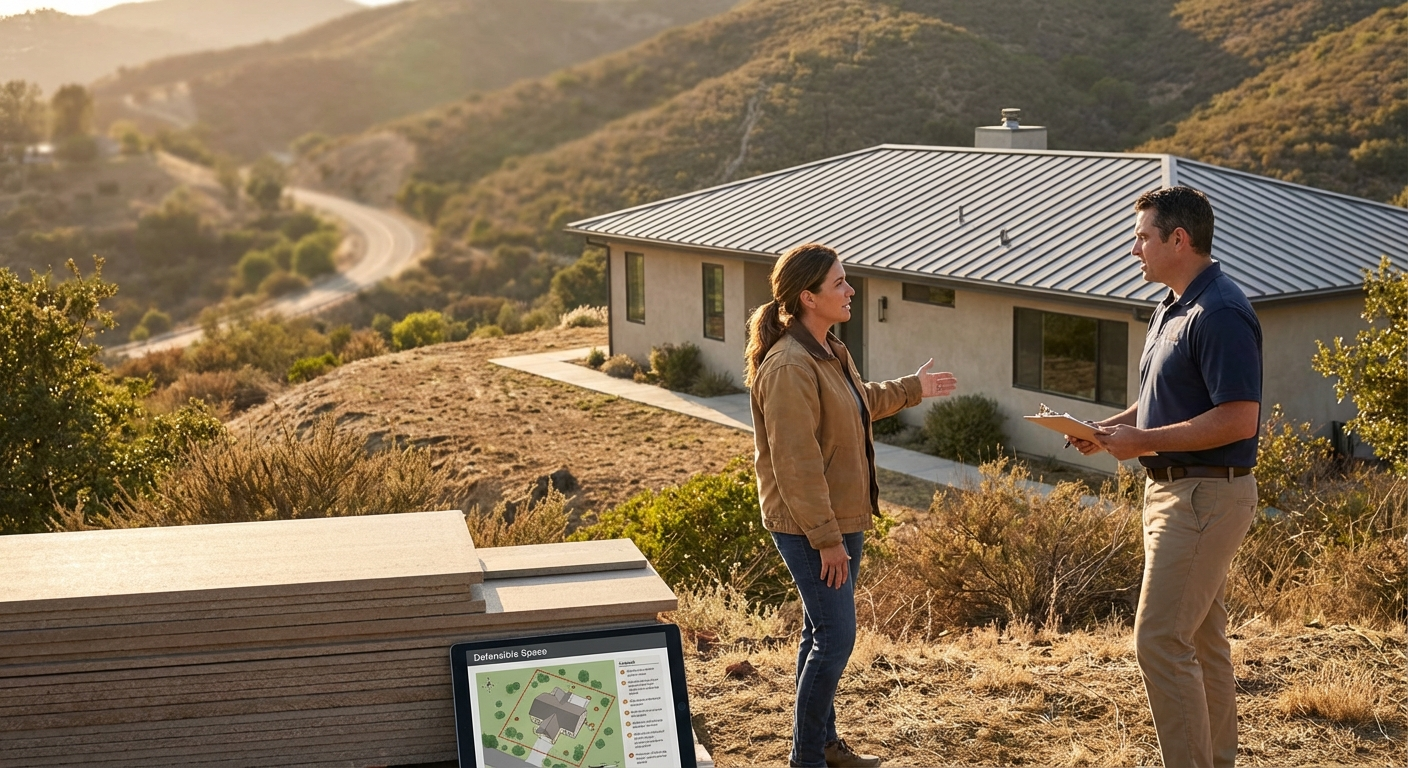
Think about it: if you’ve invested in defensible space around your property, installed ember-resistant vents, or upgraded to a Class A fire-rated roof, those efforts should translate into savings. For years, homeowners did these things out of necessity, but without a clear financial reward from their insurer. That’s changing. By 2026, those investments could make a real difference, not just in protecting your home, but in your insurance bill.
That’s not the whole story. The state’s insurer of last resort, the California FAIR Plan, is also undergoing changes. It’s seen a huge surge in policies as traditional carriers pull back. While it’s there to make sure no one is left completely uninsured, it’s often more expensive and doesn’t offer the same broad coverage as a standard policy. The reforms aim to make it more sustainable, but it’s still generally a backup plan.
Home Hardening: Your Best Bet for Future Coverage
If you own property in areas prone to wildfire, like parts of Ventura County or the Santa Cruz Mountains, home hardening isn’t just a good idea; it’s becoming a requirement for getting affordable, or even any, traditional insurance. We’re talking about tangible actions: clearing brush and vegetation within 100 feet of your home, replacing old wooden decks with non-combustible materials, or upgrading single-pane windows to dual-pane, tempered glass.
These aren’t small projects, true. But they make a huge impact on your home’s “risk score” in the eyes of an insurer. A home with a well-maintained defensible space and a hardened structure is simply less likely to burn or suffer severe damage in a wildfire event. Insurers are starting to recognize this in their pricing models, and by 2026, it’ll be even more baked into their offerings.
Want to know if your home hardening efforts could save you money? Talk to an expert like Karl Susman. Get a quote and see your options at CaliforniaHomeownerQuotes.com.
What Insurers Are Actually Looking For
Beyond the big-ticket hardening items, insurers are drilling down into the specifics. They’re looking at the slope of your property, the type of vegetation nearby, and even the width of the roads leading to your home – can fire trucks get there easily? They’re also considering the distance to the nearest fire station and the availability of water sources.
For homes tucked away in remote canyons or surrounded by dense chaparral, even with significant hardening, finding traditional coverage can be tough. That’s a reality for many living in places like Malibu or the foothills of the Sierra Nevada. The goal for 2026 is that if you *do* harden your home, you’ll have a better chance at a competitive rate, even if you’re in a higher-risk zone. It won’t erase all risk, but it definitely improves your odds.
The FAIR Plan: A Last Resort, But a Changing One
For many California homeowners, especially those in areas where traditional insurers have stopped writing policies, the California FAIR Plan has become their only option. It’s designed to be the “insurer of last resort,” ensuring that every homeowner can get at least basic fire coverage. But wait — it’s not a full home insurance policy. The FAIR Plan only covers fire, smoke, and some related perils. It doesn’t cover liability, theft, water damage, or personal property beyond fire damage.
Which brings up something most people miss. If you have a FAIR Plan policy, you’ll almost certainly need a “wrap-around” or “difference in conditions” policy from a separate carrier to get comprehensive coverage. This means two policies, two premiums, and often, a higher overall cost than a single traditional policy. The FAIR Plan has grown massively in recent years, putting a strain on its resources and contributing to higher costs for everyone in the insurance pool. The changes coming in 2026 are meant to stabilize it, but it will likely remain a more expensive option.
Navigating the FAIR Plan and finding a wrap-around policy can be tricky. Don’t go it alone. Reach out to Karl Susman at California Homeowner Quotes, CA License #OB75129, or get started with a quote at CaliforniaHomeownerQuotes.com. You can also call his team directly at (877) 411-5200.
Beyond Wildfires: Other Requirements and Considerations
While wildfires dominate the headlines, they aren’t the only risk California homeowners face, nor the only factor in your insurance requirements.
Many lenders, especially for homes in areas like the San Andreas Fault Zone, will require earthquake insurance. It’s a separate policy, not included in standard home insurance. And honestly, if you live in California, it’s something you should at least consider, even if your lender doesn’t demand it.
Flood insurance is another big one. If you’re in a designated flood zone, your lender will absolutely require it. This is typically purchased through the National Flood Insurance Program (NFIP). Even if you’re not in a high-risk zone, flash floods can happen anywhere, from the desert communities of the Inland Empire to coastal towns. Standard home policies don’t cover flood damage.
Your policy will also include liability coverage, which protects you if someone is injured on your property. Most policies have a minimum, but increasing it often doesn’t cost much more and offers significant peace of mind. Personal property coverage, for your belongings inside the home, is also standard. Make sure the limits are high enough to replace everything you own if disaster strikes.
The Lender’s Role in Your Policy
If you have a mortgage, your lender plays a big part in your insurance requirements. They’re protecting their investment, after all. They’ll mandate that you carry enough dwelling coverage to rebuild your home completely. They’ll also often set minimums for liability. Your premiums are usually paid through an escrow account, meaning your lender handles the payment, but you’re still responsible for making sure the policy stays active and meets their criteria. If your policy lapses or doesn’t meet their requirements, they can “force-place” insurance on you, which is almost always more expensive and offers less coverage.
Prop 103 and the Road Ahead
Proposition 103, passed way back in 1988, is a California law that gives the Insurance Commissioner the power to approve or reject insurance rate hikes. It also requires insurers to consider factors like good driver discounts and prohibits discrimination based on zip codes. It’s been a cornerstone of consumer protection in California for decades.
But it’s also a source of friction. Insurers argue that Prop 103’s rate approval process is too slow and doesn’t allow them to keep up with rising costs, especially from catastrophic events. Consumer advocates, on the other hand, say it’s essential for keeping rates fair. The reforms coming in 2026 are an attempt to strike a balance, allowing insurers more flexibility while still maintaining regulatory oversight. The hope is that more predictable and timely rate approvals will encourage more carriers to write policies in California again. We’ll see.
Finding the Right Policy in a Tough Market
With so much in flux, finding the right home insurance policy for 2026 isn’t a simple task. It takes expertise to understand the nuances of the market, the specific risks of your property, and the ever-changing regulatory environment.
That’s where an independent insurance agent really shines. Unlike agents who work for a single company, independent agents work with multiple carriers. They can shop around for you, comparing different policies and prices. Karl Susman and his team at California Homeowner Quotes, CA License #OB75129, have been helping California homeowners navigate these choppy waters for years. They know the ins and outs of the market, including the FAIR Plan and wrap-around options, and they can help you understand what coverage you truly need. You can reach them at (877) 411-5200.
Don’t just look at the premium. Make sure you understand your deductibles, the limits of your coverage, and what perils are actually included. A cheaper policy might leave you dangerously exposed when disaster strikes.
Your Questions Answered
Will my home insurance definitely go up in 2026?
Honestly, it’s highly likely. The trends point to continued rate increases due to wildfire risk, rising rebuilding costs, and the ongoing market adjustments. However, home hardening efforts and shopping around could help mitigate those increases.
What’s the single most important thing I can do to keep my rates down?
Home hardening and maintaining defensible space are probably your biggest levers. With new regulations requiring insurers to offer discounts for these efforts, they’re not just about safety anymore; they’re about your wallet.
Is earthquake insurance mandatory?
Not by state law. But many mortgage lenders will require it if your home is in a high-risk seismic zone. Even if not required, it’s a smart consideration for any California homeowner.
What if no traditional insurer will cover my home?
You’ll likely need to turn to the California FAIR Plan for fire coverage. Then, you’ll need a separate “wrap-around” policy from another carrier to cover everything else, like liability, theft, and water damage. It’s a two-policy solution.
Can I switch insurers easily?
It depends on your home’s risk profile. If you’re in a low-to-moderate risk area, you might have several options. If you’re in a high-risk wildfire zone, switching might be difficult, and your options could be limited to the FAIR Plan.
The insurance market in California is demanding more from homeowners. It’s asking for vigilance, proactive measures, and a willingness to understand a complex system. Being prepared is no longer just about having a policy; it’s about actively managing your home’s insurability.
This article is for informational purposes only and does not constitute financial advice.