
What You’ll Learn
Dealing with roof damage can feel like a punch to the gut. Especially in California, where the weather swings from blazing sun to sudden downpours, your roof takes a beating. This guide walks you through everything you need to know about making a home insurance claim for roof damage. We’ll cover what to do before, during, and after the damage, how to talk to your insurer, and what to expect from the repair process. You’ll learn how to protect your home and your wallet, making a stressful situation a little bit easier.
1. Know Your Policy Before Trouble Starts
Most folks don’t really dig into their home insurance policy until they absolutely have to. But honestly, that’s a big mistake. Your policy is a contract, thick with details that become very important when your roof springs a leak or gets battered by a storm.
Actual Cash Value (ACV) vs. Replacement Cost Value (RCV)
This is probably the single biggest thing to understand. Is your roof covered for its Actual Cash Value (ACV) or Replacement Cost Value (RCV)? There’s a big difference. ACV pays for the depreciated value of your roof. Think about it: a 15-year-old roof isn’t worth what a brand new one is. If your policy is ACV, your payout will be less, and you’ll cover a larger chunk of the replacement cost out of pocket. RCV, on the other hand, pays to replace your roof with a new one of similar quality, without subtracting for age or wear. Most policies start with an ACV payout and then release the remaining RCV funds once repairs are complete.
For many California homeowners, especially those in older homes or areas like the San Fernando Valley or parts of the Inland Empire, this distinction can mean thousands of dollars. Always check. If you’re not sure, call your agent.
Your Deductible
You know you have one. But do you know how it applies to roof damage? Standard deductibles are usually a flat dollar amount—say, $1,000 or $2,500. But here’s where it gets interesting. Some policies, particularly in areas prone to specific hazards, might have a percentage deductible for wind or hail damage. That means if your home is insured for $500,000 and you have a 1% wind deductible, you’re on the hook for the first $5,000. That’s not a small sum. These percentage deductibles are becoming more common, especially as insurers try to manage their risk in places like Ventura County, which sees its share of seasonal Santa Ana winds.

What Your Policy Won’t Cover
Insurance isn’t a maintenance plan. It covers sudden, accidental damage. This means if your roof is leaking because it’s old and just hasn’t been maintained—think worn-out shingles or rot from years of neglect—your insurer likely won’t pay for it. Normal wear and tear, deterioration, mold from long-term leaks, or issues stemming from poor workmanship on a previous repair are typically excluded. This is why keeping up with roof maintenance is so important. A small repair now could save you a denied claim later.
2. When Damage Hits: Act Fast, Act Smart
Okay, so the storm rolled through, or a tree branch came down, and your roof is clearly damaged. What do you do first? Don’t panic. But definitely don’t delay.
Safety First, Always
Before anything else, make sure everyone is safe. If there’s a gaping hole, exposed wires, or a risk of collapse, get out and call emergency services. Your roof can be replaced; you can’t. Once the immediate danger is gone, you can start assessing the situation.
Prevent More Damage
This is a big one. Insurers expect you to take reasonable steps to prevent further damage. This might mean putting a tarp over a hole, moving furniture away from a leak, or shutting off power if water is getting near electrical components. Don’t try to fix the whole roof yourself, especially if it’s dangerous, but do what you can to stop the problem from getting worse. Keep receipts for any materials you buy—tarps, plywood, buckets. Your policy might cover these temporary repair costs.
But wait—don’t start major repairs. You want your insurer to see the damage as it happened. Making extensive repairs before an adjuster sees it could complicate your claim.
3. Document Everything. And We Mean Everything.
Proof. That’s what you need. The more evidence you have, the smoother your claim process will be. And it really helps to have a “before” picture.
Photos and Videos
Take pictures and videos from every angle. Get close-ups of damaged shingles, flashing, gutters, and any interior damage like water stains on ceilings or walls. Take wider shots to show the scope of the damage. If you have photos of your roof from before the incident, those can be invaluable to show its condition beforehand. Date and time stamp your photos if your phone allows.
Keep a Log
Write down everything. The date and time the damage occurred, when you first noticed it, who you spoke to at the insurance company, the names of any adjusters, and every conversation you have. Note down the weather conditions at the time. Was it a heavy rainstorm? High winds? This kind of detail can be important, especially if your policy has specific wind or hail deductibles.
Save Receipts and Estimates
Any money you spend on temporary repairs, save those receipts. If you get an emergency contractor to tarp your roof, keep their invoice. Also, start getting estimates for permanent repairs, but don’t commit to anything yet. We’ll talk more about estimates later.
4. Time to Call Your Insurer (and Maybe Karl Susman)
Once you’ve secured the area and documented the damage, it’s time to report the claim. Don’t put this off. Many policies have specific timelines for reporting damage.
Making the Initial Report
Call your insurance company’s claims department directly. Be prepared to provide your policy number, the date and cause of the damage, and a brief description. They’ll give you a claim number—write that down immediately. This is your reference for everything moving forward.
Here’s where it gets interesting. While you can call your insurer directly, sometimes having an independent agent in your corner makes a world of difference. An agent like Karl Susman of California Homeowner Quotes (CA License #OB75129) works for *you*, not the insurance company. He can help you understand your policy, guide you through the claims process, and advocate on your behalf. You can reach Karl at (877) 411-5200. It’s a layer of expertise that can be incredibly reassuring when you’re feeling overwhelmed.
What Happens Next?
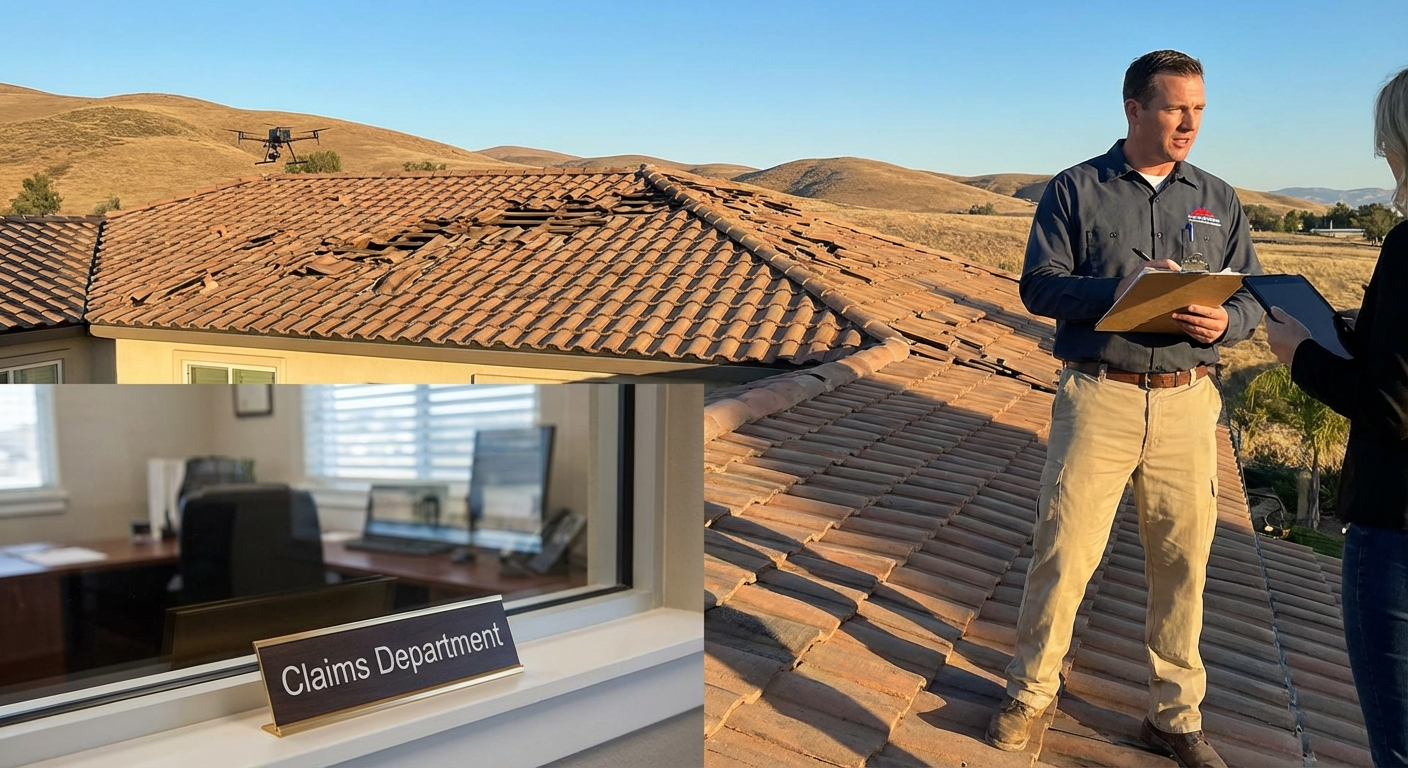
Your insurer will assign an adjuster to your case. They’ll contact you to schedule a visit to your home. This person is the one who will inspect the damage and determine the extent of your coverage and payout.
5. The Adjuster’s Visit: Be Prepared
The adjuster’s inspection is a critical step. This is when the insurance company assesses the damage themselves.
What They Look For
The adjuster will meticulously examine your roof. They’ll look for signs of storm damage—missing shingles, hail marks, punctures, water intrusion points. They’ll also look for signs of pre-existing wear and tear, poor maintenance, or damage that doesn’t appear to be sudden or accidental. They might even get on your roof, so make sure it’s safe for them to do so.
Be Present and Ask Questions
Try to be home during the inspection. Walk around with the adjuster. Point out everything you’ve documented. Ask questions. “What do you see here?” “Is this covered?” “What’s the next step?” Don’t be afraid to take notes during their visit as well.
But wait—don’t agree to anything on the spot. Don’t sign any documents you don’t fully understand. The adjuster is there to represent the insurance company, and while they should be fair, their job is also to assess the claim from the insurer’s perspective.
6. Getting Repair Estimates: Choose Wisely
Once the adjuster has done their thing, you’ll need to get estimates for the repairs. This isn’t just about getting the cheapest price; it’s about getting a fair and accurate assessment of the work needed.
Get Multiple Bids
Don’t just go with the first roofing contractor you call. Get at least two, preferably three, detailed estimates. Make sure these estimates include everything: tear-off, disposal, materials, labor, permits, and any associated repairs like fascia, gutters, or interior drywall if the leak caused damage there.
Beware of Storm Chasers
After a major storm, you’ll often see “storm chasers” — contractors who show up from out of state, offering quick fixes. Be very cautious. Always verify a contractor’s license with the Contractors State License Board (CSLB). Check their references and look for reviews. Make sure they’re insured and bonded. A reputable local contractor, especially one familiar with California building codes and typical weather patterns, is usually your best bet.
That’s not the whole story. Ensure your contractor understands working with insurance claims. They should be willing to provide detailed breakdowns that align with what insurers expect to see.
7. Understanding the Settlement Offer
After the adjuster’s visit and once you’ve submitted your estimates, your insurer will issue a settlement offer. This is where your understanding of ACV vs. RCV really matters.
The First Check (Often ACV)
Many policies, even RCV ones, will initially pay out the Actual Cash Value (ACV) of the damaged roof. This means they’ll subtract depreciation from the replacement cost. The remaining amount—the depreciation holdback—is usually paid after the repairs are completed and inspected.
What If You Disagree?
If the insurer’s offer seems too low, or if they’ve missed damage, don’t just accept it. Compare their estimate with your contractor’s bids. If there’s a significant difference, especially in scope or cost, talk to your adjuster. Provide them with your contractor’s detailed estimate and explain why you believe their assessment is incomplete. Sometimes, a supplemental claim can be filed if additional damage is found during repairs.
Which brings up something most people miss. If you’re having trouble getting a fair settlement, especially on a large claim, you might consider hiring a public adjuster. Unlike the adjuster assigned by your insurance company, a public adjuster works for *you* and is paid a percentage of the settlement. They can be very effective in negotiating with insurers, but it’s an added cost to consider. Before going that route, reach out to an independent agent like Karl Susman for advice. Sometimes, their involvement can help move things along without the need for a public adjuster.
8. The Repair Process and Final Payment
Once you’ve agreed on a settlement, the repairs can begin.
Working with Your Contractor
Schedule the repairs with your chosen licensed contractor. Stay in communication with them throughout the process. Make sure they adhere to the agreed-upon scope of work and materials. For big jobs, your insurer might want to inspect the completed repairs before releasing the final payment.
Getting Your RCV Payment
If you have an RCV policy and received an initial ACV payment, you’ll need to submit proof that the repairs are complete. This usually means providing the final invoice from your contractor, showing the full cost of the work. Once reviewed, your insurer will release the depreciation holdback, covering the full replacement cost (minus your deductible).
Troubleshooting Common Issues
Denied Claims
A denied claim isn’t always the end of the road. If your claim is denied, ask for a written explanation. Review it carefully. Did they say it was wear and tear when you believe it was storm damage? Did they miss something? You have the right to appeal. Again, an independent agent like Karl Susman can be a huge asset here, helping you understand the reasons for denial and guiding you on how to appeal effectively. The California Department of Insurance is also a resource for consumers who feel they’ve been unfairly treated.
Lowball Offers
Don’t settle for less than fair. Use your multiple contractor estimates to argue your case. Provide photos, detailed descriptions, and anything else that supports your position. Sometimes, it’s a matter of clearly demonstrating the full extent of the damage and the cost to properly fix it according to current building codes. For example, in areas like Los Angeles or Orange County, strict codes often mean repairs are more expensive than in rural areas.
Get the Right Coverage for Your California Home
Navigating roof damage claims can be tricky, but knowing your policy and following these steps can make a big difference. Don’t wait until disaster strikes to understand your coverage. If you’re looking to review your current policy, get a new quote, or just have questions about California home insurance, Karl Susman and the California Homeowner Quotes are here to help. They understand the unique challenges California homeowners face, from wildfire risks to the complexities of roof claims.
Ready to explore your options or get a personalized quote? Click here to get a California home insurance quote today!
Frequently Asked Questions About Roof Damage Claims
Q: How long does a roof damage claim typically take in California?
A: It really varies. Simple claims might be resolved in a few weeks, especially if the damage is minor and the adjuster can quickly assess it. More complex claims, or those involving extensive damage or disputes, could take several months. Factors like the volume of claims after a major storm (like the deluges in Northern California) can also slow things down significantly.
Q: Will my premium go up if I file a roof damage claim?
A: The short answer is yes, it’s possible. Insurers look at your claims history when determining your rates. A single claim might not cause a huge jump, but multiple claims can. However, sometimes the increase is minimal, especially if the damage was due to a widespread natural disaster. It’s a balance between paying out of pocket for minor repairs and using your insurance for significant damage. Your agent can help you weigh this decision.
Q: What if my roof is old, and the insurance company says it’s only wear and tear?
A: This is a common point of contention. While insurers don’t cover wear and tear, sudden damage from a covered peril (like a windstorm) to an older roof *should* still be covered, even if the roof was nearing the end of its lifespan. The key is proving the damage was sudden and accidental, not just gradual deterioration. This is where good documentation and potentially an independent roofing contractor’s report can be very helpful.
Q: Can I choose my own contractor, or do I have to use the insurance company’s preferred vendor?
A: You absolutely have the right to choose your own licensed contractor. Your insurance company might suggest “preferred vendors,” but you are not obligated to use them. It’s often a good idea to get multiple bids from contractors you trust, as discussed earlier. Make sure your chosen contractor is properly licensed and insured in California.
Need more information or help with your home insurance needs in California? Don’t hesitate to reach out to Karl Susman at California Homeowner Quotes. With CA License #OB75129, he’s ready to assist you. Call (877) 411-5200 or get a quote online.
This article is for informational purposes only and does not constitute financial advice.