
The Unsettling Truth About Home Insurance in California
Remember Sarah and Tom Miller? They bought their beautiful Craftsman in the Ojai Valley five years ago. It was everything they’d ever wanted – a quiet street, big oak trees, a yard for their kids. They signed up for what they thought was a solid homeowners policy with one of the big names, ticked the boxes, and never really thought about it again. Who does? Most of us just want peace of mind, right?
Then came the spring of 2023. A small brush fire flared up a few ridges over, quickly contained, but a stark reminder of living in California. A few weeks later, their renewal notice landed. Tom opened it, read the numbers, and actually laughed. Then he read it again. The premium had jumped over 70%. Seventy percent! Sarah thought it was a typo. It wasn’t. Their insurer was pulling back from the area, citing “increased risk exposure.” Suddenly, their dream home felt like a ticking financial time bomb.
The Millers aren’t alone. Far from it. Across California – from the canyons of Malibu to the foothills of the Sierra Nevada, even in parts of the Inland Empire that rarely saw a wildfire before – homeowners are seeing their insurance costs skyrocket or finding their policies non-renewed altogether. It’s a mess.
Why Your California Home Insurance is Different (and Difficult)
Here’s the thing about California: we live in an amazing, but sometimes volatile, place. Earthquakes, wildfires, mudslides, even floods – we get it all. Insurers look at this and see dollar signs flying out the window. For years, they’ve been shouldering these growing risks without what they consider adequate ability to adjust their rates.
The main culprit, many argue, is Proposition 103. Passed back in 1988, this law gives the California Department of Insurance (CDI) – and specifically the Insurance Commissioner – broad authority over what insurers can charge. It was designed to protect consumers from arbitrary rate hikes. And for a long time, it did.
But here’s where it gets interesting. Prop 103 also restricts how insurers can factor in future risks, like the worsening wildfire season we’re experiencing. They’ve largely been forced to base rates on historical data, not forward-looking models. Think about it: if you’re an insurer looking at climate change, you want to price in what you *think* will happen next year, not just what happened five years ago. California hasn’t allowed much of that. That’s a big part of why State Farm, Allstate, and others have either stopped writing new policies here or severely restricted coverage. They say they can’t make money under the current rules.
The Domino Effect: From Big Insurers to the FAIR Plan
When major insurers like State Farm and Allstate hit the brakes, it creates a ripple effect. Suddenly, homeowners like the Millers find themselves scrambling. Many end up on the California FAIR Plan. The FAIR Plan isn’t a regular insurance company. It’s a “last resort” program, designed to provide basic fire coverage for properties that can’t get it anywhere else.
For years, the FAIR Plan was just for the riskiest properties. Now, it’s ballooned. Tens of thousands of Californians are on it. It’s not cheap, and it doesn’t offer the same broad coverage you get with a standard policy. You’ll often need to buy a separate “Difference in Conditions” policy – sometimes called a DIC policy – from another insurer to cover things like liability, theft, or water damage. It’s clunky. It’s expensive. And it’s a sign that our regular insurance market is broken.
But wait — the FAIR Plan itself has been under pressure. Premiums have been going up there too, and its own capacity has been stretched. This isn’t a sustainable long-term solution for a state as large and populous as California.
The State Responds: New Rules and Mitigation Mandates
California’s Insurance Commissioner, Ricardo Lara, has been working on a plan to stabilize the market. It’s a huge undertaking. The basic idea is to lure insurers back by giving them more flexibility to factor in future risks and reinsurance costs – the insurance that insurers buy to protect themselves.
In return, however, these insurers would have to commit to writing more policies in wildfire-prone areas. It’s a quid pro quo. But the biggest catch? Homeowners will have to do their part too.
That’s where local ordinances and state laws around home hardening and defensible space come in. For years, we’ve heard about clearing brush around our homes. Now, it’s becoming much more than a suggestion.
Many counties and cities – especially those in high-fire severity zones – are implementing stricter rules. Think about places like Sonoma County, parts of Ventura County, or the wildland-urban interface areas near Placerville. Homeowners there are already familiar with these. They’re being told to remove flammable vegetation, clear eaves, prune trees, and sometimes even replace roofs or vents with fire-resistant materials.
The goal? To make individual homes less likely to ignite and to prevent embers from spreading. This “home hardening” isn’t just about protecting your own property; it’s about protecting the entire community. When insurers look at a neighborhood, they see a collection of homes. If every home is hardened, the risk for everyone goes down.
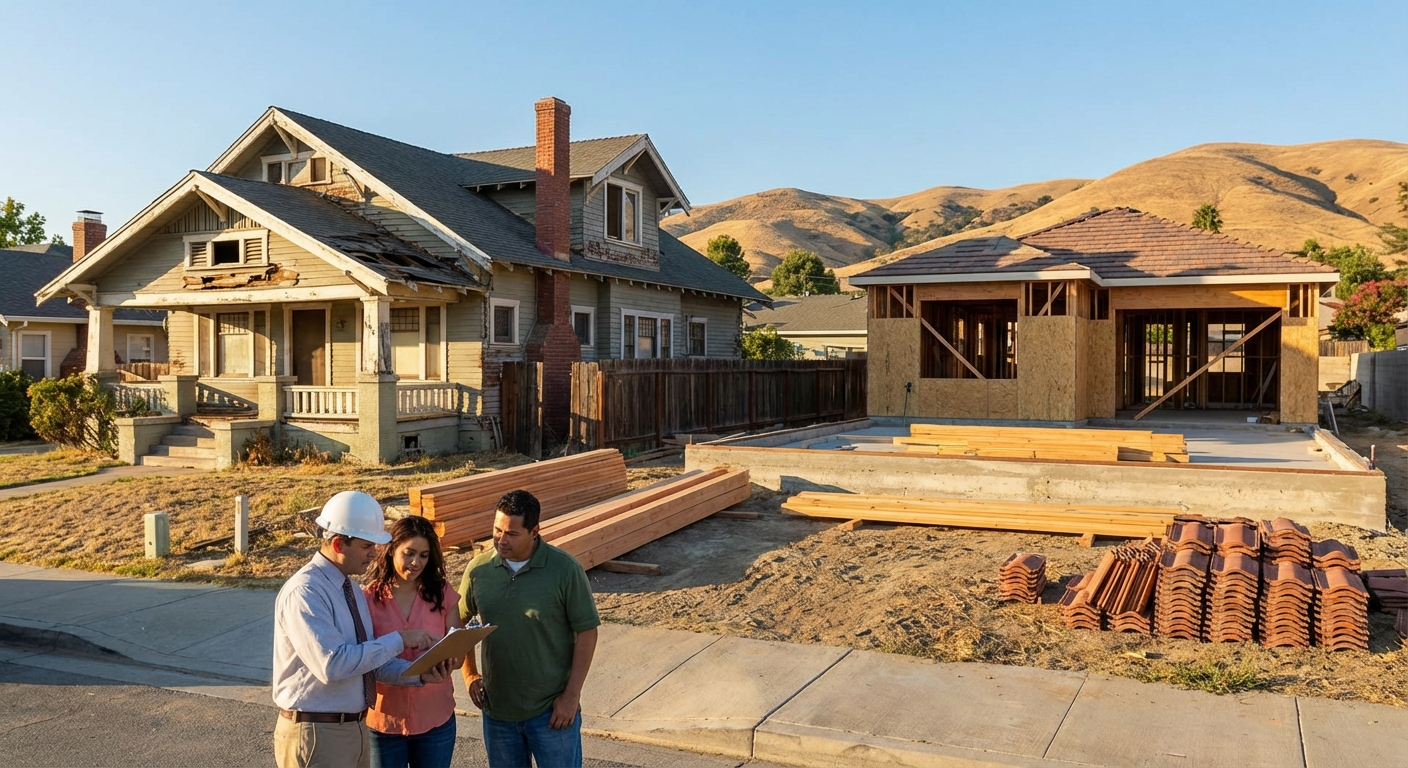
Honestly, this is a big deal. For Sarah and Tom in Ojai, they’re now looking at the cost of replacing their old wooden fence with a non-combustible one and upgrading their attic vents. It’s an expense, sure. But it might be the only way to get a decent policy back.
What Does This Mean for Your Wallet?
The short answer is yes, these changes could affect your premiums – hopefully for the better in the long run. The real answer is more complicated.
If you live in a high-risk area, showing proof of mitigation efforts could become essential for getting any coverage at all, or at least for getting a more affordable one. Insurers, under the proposed new rules, would be required to offer discounts for these efforts. That’s a good thing. Karl Susman, an experienced agent with California Homeowner Quotes (CA License #OB75129), has been telling clients this for years: “Investing in your home’s fire resilience isn’t just smart for safety, it’s becoming the ticket to getting coverage at all.”
So, you might need to spend some money upfront. But that investment could unlock access to the traditional insurance market again, potentially saving you thousands over the years compared to staying on the FAIR Plan.
Three things drive your premium up: your home’s location, its construction materials, and your claims history. The new rules are trying to give you more control over the second one.
Finding Your Way Through the Maze
This whole situation can feel overwhelming. Homeowners are caught between rising risks, pulling-back insurers, and new state and local mandates. It’s a lot to process.
That’s why talking to an independent insurance agent is so important. They work with multiple carriers and understand the complexities of the California market. They know which insurers are still writing policies, what their specific requirements are, and how to best present your home’s mitigation efforts. Karl Susman and his team at California Homeowner Quotes (CA License #OB75129) spend their days helping Californians untangle these very issues. They can explain the nuances of a DIC policy, what qualifies as “defensible space” in your specific area, and how the evolving regulations might impact you. You can reach them at (877) 411-5200.
Don’t wait until your non-renewal notice arrives. Be proactive. Look into your home’s fire risk. Check your local county or city’s website for specific defensible space and home hardening ordinances. A good agent can help you figure out what steps are most effective for your situation.
It’s not just about compliance; it’s about protecting your biggest asset. It’s about making sure your home is as safe as it can be, and that you can still insure it at a reasonable price.
Ready to explore your options and see how these changes might affect your policy? Don’t leave your coverage to chance. Get a personalized quote today and understand your choices better. Click here to get a California home insurance quote.
Understanding what’s happening in California’s insurance market is the first step to protecting your home and your finances. It’s a challenging time, but with the right information and guidance, you can still find solid coverage.
Want to see what kind of savings might be available to you, even with all these changes? It costs nothing to look. Start your free California home insurance quote now.
Frequently Asked Questions About California Home Insurance
What is Proposition 103 and how does it affect my insurance?
Prop 103 is a 1988 California law that gives the state’s Insurance Commissioner the power to approve or reject insurance rates. It was designed to protect consumers from excessive rate hikes, but it also limits how much insurers can factor in future risks, which some argue is contributing to the current market challenges.
What is the California FAIR Plan?
The FAIR Plan is California’s “insurer of last resort.” If you can’t get basic fire insurance from a traditional insurer, the FAIR Plan will provide it. It’s often more expensive and offers more limited coverage, typically just fire, so you usually need a separate policy for other perils like theft or liability.
What is “home hardening” and why is it important now?
Home hardening refers to making your home more resistant to wildfires by using fire-resistant materials for roofs, vents, and siding, and making structural improvements. It’s important because many insurers are now requiring or incentivizing these measures to offer coverage, and local ordinances are increasingly mandating them.
Will making my home more fire-resistant lower my premium?
Potentially, yes. Under new proposed regulations, insurers would be required to offer discounts for homes that have taken significant fire-mitigation steps. Even without a direct discount, these efforts could make your home eligible for coverage from traditional insurers, which is often more affordable than the FAIR Plan.
What should I do if my insurance company non-renews my policy?
First, don’t panic. Contact an independent insurance agent like Karl Susman at California Homeowner Quotes (CA License #OB75129) immediately. They can help you explore options from other carriers or guide you through applying for the California FAIR Plan if necessary, and advise on any supplemental coverage you might need.
This article is for informational purposes only and does not constitute financial advice.