
The Quiet House: Why an Empty Home Changes Everything for Your Insurance
You’ve probably heard the term “home insurance,” but have you really thought about what happens when your home isn’t, well, *home* to anyone? Life happens. Maybe you’re selling your house and have already moved into a new place. Perhaps you inherited a property that needs some work before it can be sold or rented. Or maybe you’re just taking an extended vacation, the kind where you really unplug for a few months.
For most California homeowners, the idea of an empty house feels relatively simple. You still own it, you still pay the mortgage, so your insurance should still cover it, right? The short answer is yes. The real answer is more complicated, especially when you start talking about something called a “vacancy clause.” This little detail tucked away in your policy can make a huge difference if something goes wrong.
What Exactly is a Vacancy Clause?
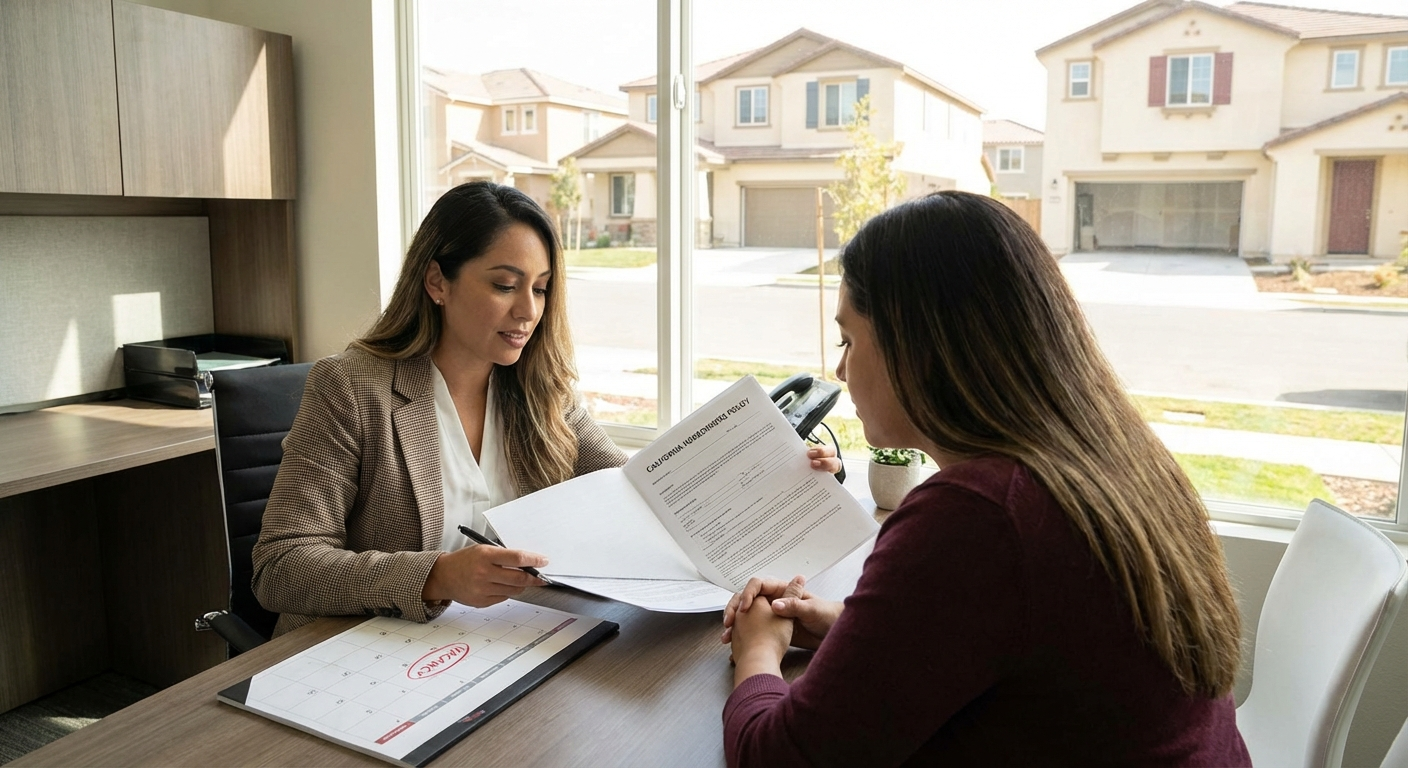
Think of a vacancy clause as a specific condition in your home insurance policy. It basically says, “If your house is empty for a certain amount of time, we might not cover certain types of damage.” Insurers aren’t trying to be difficult; they’re just looking at risk. An empty house is a different kind of risk than an occupied one.
Most standard homeowner policies – those HO-3 or HO-5 forms you might have – are designed for homes where someone actually lives. They expect people to be there, turning on lights, checking for leaks, and generally keeping an eye on things. When that human element disappears, the risk profile of the property changes dramatically.
Why Insurers Worry About Empty Homes
Honestly, it makes sense if you put yourself in their shoes. What happens when a house sits vacant?
First off, there’s theft and vandalism. An empty house is a soft target. It’s easier for someone to break in, steal appliances, copper piping, or even just cause malicious damage. In a place like the Inland Empire, where new developments pop up quickly, you see this happen to empty new builds sometimes. In older neighborhoods, it might be squatters.
Then there are the less obvious dangers. A small leak under the sink in an occupied home? You’d spot it quickly, maybe even within hours. In a vacant home, that drip could turn into a flood, ruining floors, walls, and subflooring before anyone even knows it’s happening. Think of a pipe bursting in a cold snap, like we sometimes get in the higher elevations of Ventura County or up in the Sierra foothills. No one’s there to turn off the water. No one’s there to call for help.
Fire is another big one. A small electrical issue, a forgotten spark – in an occupied home, someone might notice smoke and call 911. In an empty home, the fire could rage for hours, causing far more destruction, before it’s reported by a neighbor or passerby. And with California’s ongoing wildfire challenges, especially in places like the Santa Cruz Mountains or around the 2025 LA fires scenario, a vacant home in a high-risk area is a massive concern for insurers. It’s just more likely to be a total loss.
The “60-Day Rule” and Other Time Limits
Many standard home insurance policies include a vacancy clause that kicks in after a home has been empty for 60 consecutive days. This isn’t a hard and fast rule for every insurer or every policy, but it’s a common benchmark. Some policies might have a 30-day limit, others 90. Some might not even use the word “vacant” but instead refer to the home being “unoccupied.”
This is where it gets interesting. The difference between “vacant” and “unoccupied” isn’t just semantics to an insurance company; it’s a big deal.
* **Vacant:** This generally means the home is completely empty of furniture and personal belongings, and no one is living there. Think of a house after you’ve moved all your stuff out, but before the new owners move in. It truly feels abandoned.
* **Unoccupied:** This means no one is currently living in the house, but it still contains personal property, and the owner intends to return. This might be you on that long European vacation, or a snowbird spending six months in Arizona.
Most standard policies are more forgiving with an “unoccupied” home than a “vacant” one. But even with an unoccupied home, if the period stretches too long, you might run into issues. Some policies might still exclude certain perils after a long period of unoccupancy.
When This Clause Can Really Bite You
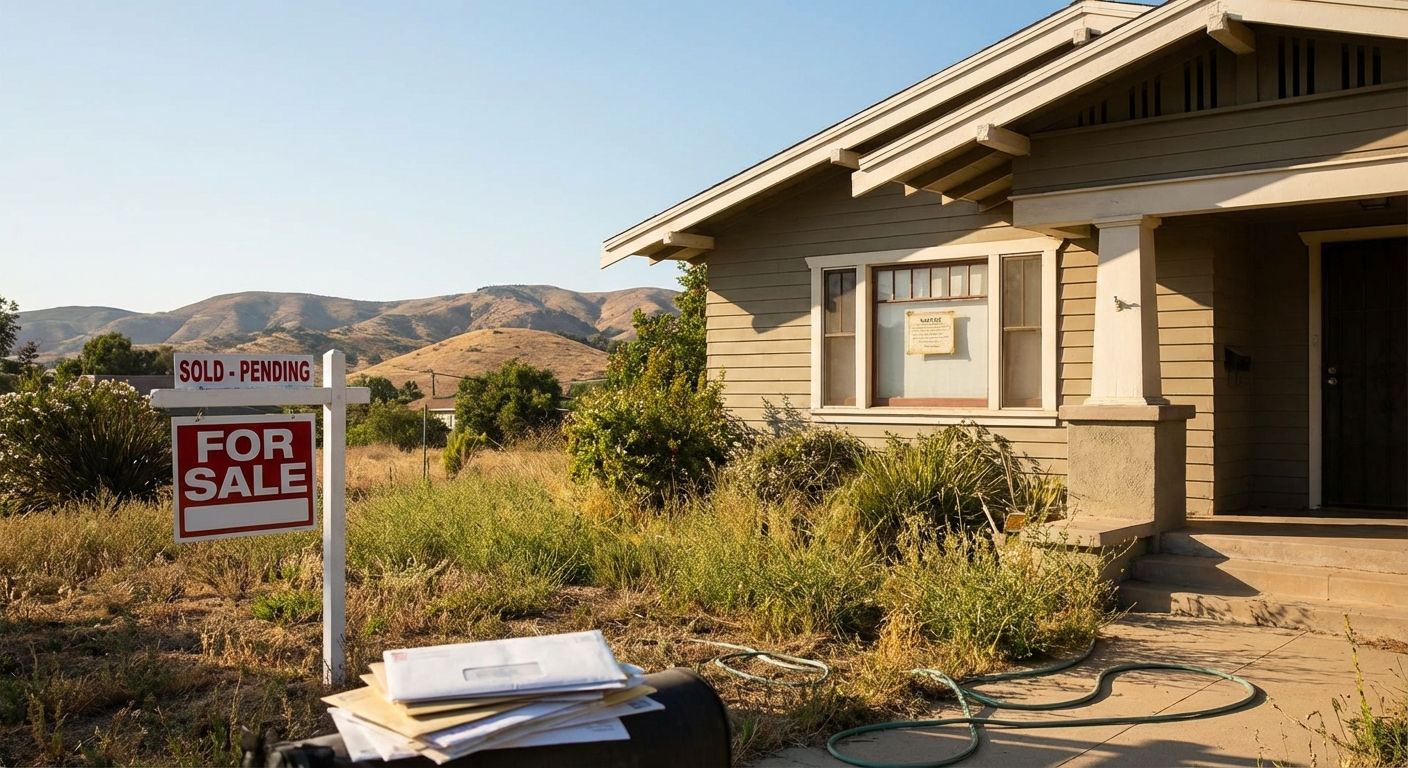
You might be surprised how easily a home can fall under the “vacant” umbrella without you even realizing it.
* **Selling a House:** You moved out of your home in Orange County to start a new job up north. You left some staging furniture behind, but most of your personal belongings are gone. The house sits on the market for three months. If a pipe bursts in week nine, your claim might be denied because the house was technically vacant for longer than your policy allows.
* **Inherited Property:** Your Aunt Mildred passed away, leaving you her charming bungalow in Berkeley. You live in San Diego. It takes you two months to clear out her belongings and another two months to decide if you’ll sell or rent. That’s four months of vacancy. If a thief strips the copper wiring in month three, you’re on the hook.
* **Major Renovations:** You bought a fixer-upper in Laurel Canyon. You’ve stripped it down to the studs, and it’s going to be a six-month project. During that time, no one lives there, and it’s mostly empty. Most standard homeowner policies won’t cover a house under major renovation or a house that’s effectively vacant during construction.
* **Extended Travel:** You’ve always dreamed of a year-long RV trip across America. You lock up your home in Sacramento, but you don’t rent it out. After a few months, your policy’s vacancy clause could kick in, leaving you exposed.
The Dire Consequences of Ignoring Vacancy Clauses
What happens if your home becomes vacant and you don’t tell your insurer or take corrective action? If damage occurs – a fire, a burst pipe, vandalism – your insurer can deny your claim. They could say you violated the terms of your contract. That means you’d be paying out of pocket for what could be tens or even hundreds of thousands of dollars in repairs. For many people, that’s financially devastating. It’s a risk no one should take.
How to Protect Your Empty Property
But wait — there are absolutely ways to protect yourself and your property. You just need to be proactive and communicate with your insurance agent.
1. **Get a Vacancy Endorsement:** If your home is going to be empty for a short period – perhaps a few months while you sell – your current insurer might offer a “vacancy endorsement.” This is an add-on to your existing policy that extends coverage for certain perils even when the home is vacant. It usually costs more, but it’s far cheaper than a denied claim.
2. **Purchase a Vacant Home Policy:** For longer periods of vacancy, or if your current insurer won’t offer an endorsement, you’ll need a specialized vacant home insurance policy. These policies are designed specifically for empty properties and typically cover perils like fire, wind, hail, and vandalism. They are usually more expensive than standard homeowner policies, and they might have more limited coverage, but they give you peace of mind. Many insurers like State Farm, AAA, or Farmers might have options, but sometimes you need to look to specialty carriers.
3. **Maintain Occupancy:** This sounds obvious, but sometimes it’s the simplest solution. Can a friend or family member stay in the house? Even if it’s just for a few nights a week, it can help.
4. **Regular Property Checks:** Have someone trustworthy – a neighbor, a house-sitter, or a property management company – check on the property regularly. Not just driving by, but actually walking through the house, flushing toilets, checking for leaks, and making sure everything looks secure. Many insurers will ask about this.
5. **Smart Home Technology:** Installing smart security cameras, water leak detectors, and smart thermostats can provide an extra layer of protection and monitoring. If a pipe bursts or a smoke detector goes off, you’ll get an alert.
The California Insurance Quagmire and Vacancy
Let’s be honest: getting *any* home insurance in California these days feels like a challenge. Premiums jumped 40% between 2022 and 2024 for many folks. With major insurers like State Farm pulling back from writing new policies in the state, and the FAIR Plan becoming a default for more and more homeowners, the market is tight.
Now, imagine trying to insure a vacant home in this environment. It’s even harder. Insurers are already hesitant about wildfire risk, earthquake risk, and the general exposure in California. A vacant property just adds another layer of complexity and perceived risk. You might find fewer options and higher prices, especially in high-risk areas like the hills of Malibu or the forests of Northern California.
This is exactly why you need an experienced guide. Someone who understands not just the standard policies, but also the specialty markets and the unique challenges of California insurance.
If you’re facing a situation where your California home will be empty, even for a relatively short time, you absolutely need to talk to a professional. Don’t guess. Don’t assume. Find out exactly what your current policy says, and explore your options. You can get started by reaching out for a personalized quote.
Working with a Pro Makes All the Difference
Honestly, trying to figure out vacancy clauses and special policies on your own can feel like navigating a maze blindfolded. That’s why working with an independent insurance agent, like Karl Susman of California Homeowner Quotes, is so important. Karl and his team, with CA License #0B75129, understand the intricacies of California home insurance – including all the sticky details around vacant properties. They can help you understand your policy, explore different options, and find the right coverage for your specific situation. Don’t leave your biggest asset exposed.
Frequently Asked Questions About Vacant Home Insurance
Q: What’s the biggest difference between “vacant” and “unoccupied” for insurance purposes?
A: “Vacant” usually means the home is completely empty of personal property and no one lives there, with no intent to return soon. “Unoccupied” means no one is currently living there, but personal property remains, and the owner intends to return. Insurers see vacant homes as much riskier.
Q: Will my regular homeowner’s policy cover my home if I’m away for an extended vacation?
A: It might, for a certain period. Many standard policies allow for some unoccupancy, usually 30 or 60 days. Beyond that, you’d need to check your specific policy or consider a vacancy endorsement or specialized policy.
Q: Is vacant home insurance more expensive than regular home insurance?
A: Yes, generally it is. Because vacant homes pose a higher risk for theft, vandalism, and undetected damage, insurers charge more to cover them. The cost varies based on the location, value of the home, and specific coverage you choose.
Q: What kind of damage is NOT usually covered by a vacant home policy?
A: Vacant home policies often have more limited coverage than standard homeowner policies. They might exclude things like frozen pipes if the heat wasn’t maintained, or certain types of water damage. They also typically won’t cover things like accidental damage by a contractor or general wear and tear. Always read your policy carefully.
Q: Can I just have a friend check on my house every few days to avoid the vacancy clause?
A: While having someone regularly check on your house is a good idea for security and maintenance, it usually doesn’t negate a vacancy clause if the home is truly empty of residents and personal belongings. The definition of “occupied” typically requires someone to be living there consistently, not just visiting. Always confirm with your agent.
Don’t let a simple clause become a costly mistake. If you have a property that will be sitting empty in California, reach out to an expert. Get a no-obligation quote and find out your options today.
Ready to secure your peace of mind? Get a personalized quote for your California home insurance now.
This article is for informational purposes only and does not constitute financial advice.
Ready for Your Free Quote?
No obligation. Takes 2 minutes. Speak with Karl Susman and the team at California Homeowner Quotes.