
The Unsettling Truth About Home Insurance in California’s Fire Zones
Honestly, it’s a scary time to own a home in California, especially if you live in or near one of our state’s many fire-prone areas. Maybe you’ve felt that knot in your stomach when you open your insurance renewal notice. Or perhaps you’ve heard the horror stories from neighbors whose policies were suddenly non-renewed, leaving them scrambling for coverage.
You’re not alone. Many Californians, from the canyons of Ventura County to the foothills of the Inland Empire and even parts of the Valley, are facing a truly challenging market for homeowners insurance. It’s confusing, frustrating, and, frankly, it feels a bit unfair. You’ve worked hard for your home, and now it feels like the safety net is being pulled out from under you.
But here’s the thing: while the situation is tough, it’s not hopeless. Understanding *why* this is happening and *what you can do* about it makes a big difference. We’re talking about real strategies, not just crossing your fingers.
Why Are We Here? The Perfect Storm of Risk
So, why are so many major insurers like State Farm, Farmers, and AAA either pulling back or significantly raising premiums? The short answer is yes, wildfires. The real answer is more complicated, a mix of factors that have created a perfect storm for the insurance industry.
For starters, California’s wildfire season isn’t just a “season” anymore; it feels like a year-round threat. We’ve seen devastating fires, not just in remote forests, but burning right into communities. The sheer scale and frequency of these events, like the ones that have ravaged parts of our state over the past few years, mean billions of dollars in losses for insurance companies. They’re simply losing more money than they’re taking in.
Which brings up something most people miss. Building costs have jumped dramatically, too. Rebuilding a home that burned down in 2022 costs way more today. Materials are pricier, skilled labor is expensive, and supply chain issues don’t help. Insurers have to factor all of that into their rates.
Then there’s the regulatory environment. California operates under Proposition 103, which gives the state insurance commissioner a lot of power over rate approvals. Insurers argue that the current system doesn’t let them raise rates fast enough to keep up with their climbing costs and risks. So, instead of continuing to write policies they believe are unsustainable, some just decide to stop offering them in high-risk areas altogether. It’s a business decision, but it leaves homeowners in a difficult spot.

What Happens When Your Policy Gets Non-Renewed?
The moment you get that non-renewal notice in the mail, it’s natural to feel a wave of panic. You might think, “My home is uninsurable.” That’s a terrible feeling, like your property suddenly has a scarlet letter on it. But that’s not always the case.
When a standard insurer decides they won’t renew your policy, you’re not out of options. You’re just entering a different part of the market. Often, your next stop is California’s FAIR Plan. It’s not a private insurance company; it’s a state-mandated program designed to be a safety net for properties that can’t get coverage in the traditional market.
The FAIR Plan sounds like a savior, and in many ways, it is. It ensures almost every homeowner can get *some* fire insurance. But it’s not a full homeowners policy. Not by a long shot.
The FAIR Plan: A Safety Net, Not a Solution
Think of the FAIR Plan as a bare-bones policy. It covers the essentials: fire, smoke, explosion, and lightning. That’s it. What’s missing? Everything else you’d expect from a standard homeowners policy. We’re talking about theft, vandalism, liability if someone gets hurt on your property, water damage from a burst pipe, windstorms, hail, and so many other common perils.
So, if you end up with the FAIR Plan, you’ll almost certainly need to buy a second policy, often called a “Difference in Conditions” (DIC) policy. This DIC policy fills in all those gaps, covering the perils the FAIR Plan doesn’t. You end up with two separate policies, two separate premiums, and two separate deductibles. It’s a more complicated, and usually more expensive, way to insure your home.
Over the past few years, the FAIR Plan has seen a huge increase in policyholders. That’s put a strain on the system, and it means changes are always being discussed, like the ones we’ve seen in 2024 regarding coverage limits and what’s included. It’s not always a smooth ride, and it definitely requires a clear understanding of what you’re getting.
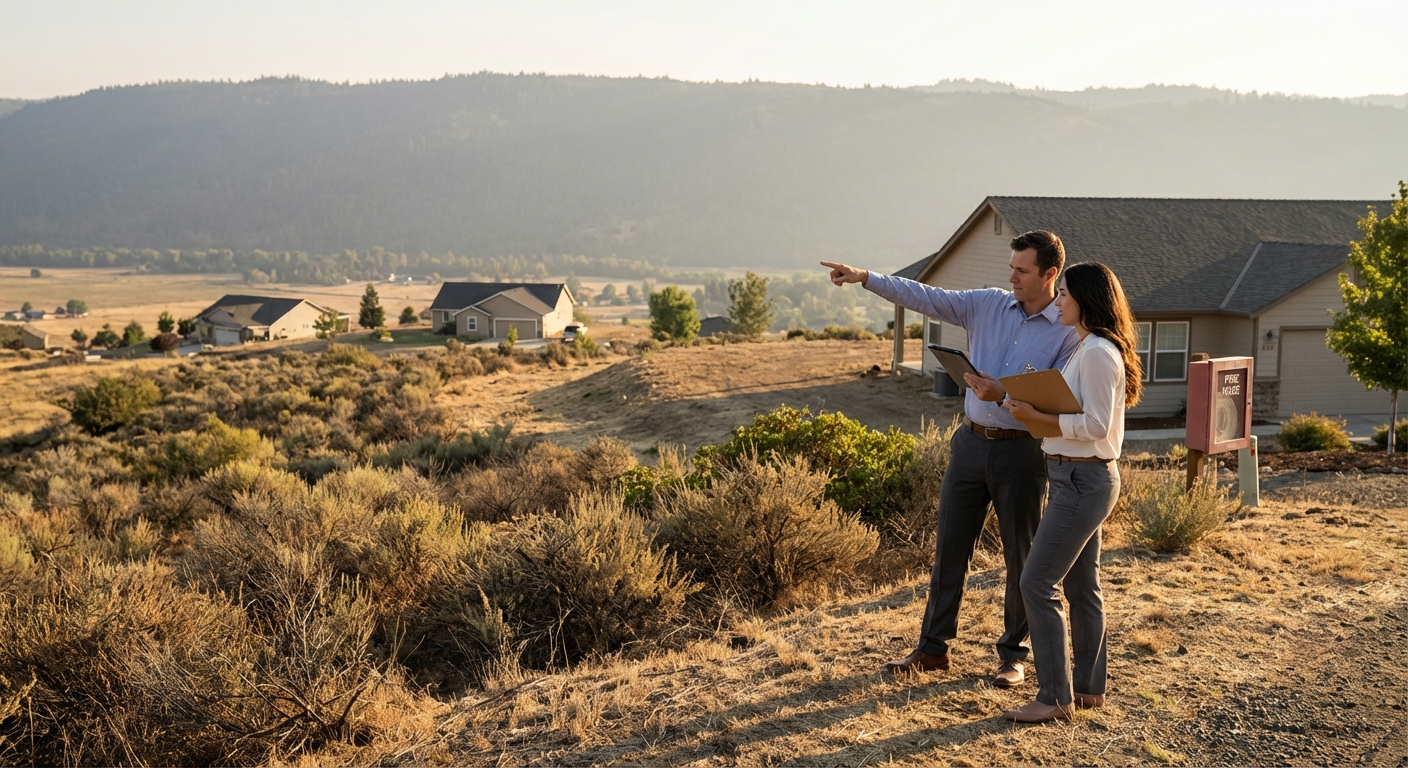
Fighting Back: What Homeowners Can Do
This isn’t just about accepting higher rates or finding a bare-bones policy. You actually have power here. One of the biggest things you can do is make your home less attractive to wildfire and prove it. We call this “home hardening” and “defensible space.”
Think about it: if an insurance company sees that you’ve taken serious steps to protect your property, they might be more willing to offer coverage, or at least a better rate. It’s not a guarantee, but it certainly helps your case.
Understanding Your Risk Score and What It Means
Insurers use complex models to assess wildfire risk, often giving your property a “score.” This score considers things like your home’s proximity to wildlands, the slope of your property, vegetation, and even the type of roof you have. The good news? You can influence that score.
First, **defensible space** is huge. This means creating zones around your home where fire has less fuel. The first 0-5 feet directly around your house should be clear of anything combustible – no bark mulch, no shrubs right up against the wall. Then, the 5-30 foot zone needs to have well-maintained, spaced-out vegetation. And beyond that, the 30-100 foot zone should be thinned and cleared of dead brush. Fire departments often have great resources on how to do this effectively.
Second, **home hardening** involves making your actual structure more resistant to embers and direct flame. This includes things like:
- Installing ember-resistant vents in your attic and crawl space.
- Using multi-pane windows, especially tempered glass.
- Upgrading to a fire-resistant roof (Class A rated).
- Replacing combustible siding with non-combustible materials like stucco or fiber cement.
- Enclosing eaves and soffits.
Many local fire departments and organizations like Fire Safe Councils offer assessments and resources to help you figure out where to start. Sometimes, even small changes can make a big difference in how an insurer views your risk.
The Role of an Independent Agent – Your Advocate in the Chaos
If you’re feeling overwhelmed by all of this, you’re not alone. Trying to figure out defensible space, home hardening, FAIR Plans, DIC policies, and what each insurer is looking for? It’s enough to make your head spin.
Here’s where it gets interesting. This isn’t a situation where you just call up State Farm or Farmers and get a quote. When you’re in a fire zone, especially if you’ve been non-renewed, you need an expert who knows the entire market, not just one company’s offerings. You need an independent insurance agent.
An independent agent, like Karl Susman at California Homeowner Quotes (CA License #0B75129), doesn’t work for just one insurance company. We work for *you*. We have relationships with many different carriers – some you’ve heard of, some you haven’t – and we know which ones are still writing policies in certain fire zones. We understand the nuances of the FAIR Plan, how DIC policies work, and how to present your home’s mitigation efforts in the best possible light.
We’re here to be your guide, to validate your frustrations, and to walk you through the options, even if they’re not ideal. Finding the right policy in a fire zone takes persistence and expertise. It’s not always easy, but it’s often possible to find something that protects your home and your peace of mind.
Ready to talk through your specific situation? Don’t go it alone. Reach out to Karl Susman and the team at California Homeowner Quotes. You can start the conversation and get a personalized quote by visiting https://susmaninsurance.com/get-a-quote/.
Navigating the Market with an Expert
When you work with an independent agent, you’re getting more than just a quote. You’re getting an advocate. We’ll help you understand:
- What specific wildfire risk factors are impacting your current premiums.
- Which mitigation efforts might have the biggest impact on your insurability.
- How to combine a FAIR Plan policy with a DIC policy for complete coverage, if that’s your best option.
- Other specialty carriers that might be writing in your area, even if they’re not household names.
We know the questions to ask, the forms to fill out, and how to make your case to an underwriter. It takes time, patience, and a deep understanding of the California insurance market, especially in these challenging times.
Looking Ahead: The Future of California Home Insurance
The insurance landscape in California is constantly shifting. State regulators and insurers are talking, trying to find solutions that bring more carriers back into the market while still protecting consumers. There’s hope that new rules and incentives for homeowners who harden their homes might stabilize things a bit. But wait — these things take time, and for now, the reality is that homeowners in fire zones need to be proactive.
The best defense is a good offense. Understand your risk. Harden your home. And most importantly, work with an experienced independent agent who can help you make sense of the market and find the best coverage available for your property. It’s not just about finding a policy; it’s about protecting your biggest asset and ensuring your family’s security.
If you’re worried about your home insurance in a California fire zone, don’t wait until you receive a non-renewal notice. Be proactive. Get professional guidance. Contact Karl Susman at California Homeowner Quotes, CA License #0B75129, or call us at (877) 411-5200. You can also start the process online: https://susmaninsurance.com/get-a-quote/.
Frequently Asked Questions About Homeowners Insurance in CA Fire Zones
What exactly is considered a “fire zone” in California?
Generally, a “fire zone” refers to areas designated by CAL FIRE or insurance companies as having a high or very high risk of wildfire. These are often in or near the Wildland-Urban Interface (WUI), meaning where homes meet undeveloped wildland vegetation. Factors like vegetation density, terrain slope, and historical fire activity all play a role in these designations.
Can insurance companies really deny me coverage just because I live in a fire zone?
Yes, private insurance companies can decide not to offer or renew policies in areas they deem too high-risk or unprofitable. They’re not required to insure every property. This is why the California FAIR Plan exists as a backstop, ensuring that even in high-risk areas, you can still get basic fire coverage.
What is the California FAIR Plan, and how does it work?
The FAIR Plan is California’s “insurer of last resort” for properties that can’t get coverage in the traditional market. It provides basic fire insurance (fire, smoke, explosion, lightning). However, it doesn’t cover perils like theft, liability, or water damage. Most homeowners with a FAIR Plan policy need to purchase a separate “Difference in Conditions” (DIC) policy from another insurer to get comprehensive coverage.
What are the most effective ways to lower my insurance premium if I live in a fire-prone area?
The best way to potentially lower your premium or improve your chances of getting coverage is through wildfire mitigation. This includes creating defensible space around your home (clearing vegetation) and home hardening (making your home structure more resistant to embers and fire, like using fire-resistant roofing, siding, and vents). Insurers are increasingly looking at these efforts when assessing risk and setting rates.
Is it worth investing in home hardening and defensible space if my premiums are still high?
Absolutely. While it might not immediately slash your premium, investing in home hardening and defensible space dramatically increases your home’s survival chances during a wildfire. Plus, as insurers refine their risk models, these mitigation efforts are becoming key factors in securing *any* coverage, not just affordable coverage. It’s about protecting your home first, and then working to protect your wallet.
This article is for informational purposes only and does not constitute financial advice.