
Your California Home Insurance: Protecting the Stuff You Love
It’s a strange feeling, isn’t it? You buy a home, maybe in Ventura County or up in the hills of the Inland Empire, and you spend all this time making it *yours*. You fill it with memories, with treasures, with the practical bits and pieces of daily life. Then comes the home insurance policy, a stack of papers that sometimes feels like it’s written in a foreign language. And somewhere in there, often tucked away, is something called “personal property coverage.”
For many California homeowners, especially those who’ve maybe faced a non-renewal notice or struggled to find coverage in the last few years, the focus naturally drifts to the big stuff: the house itself, the roof, the foundation. You worry about wildfires, about earthquakes, about that one big storm. But what about everything inside? Your furniture, your clothes, your grandmother’s antique lamp, your kid’s gaming console. These aren’t just “things.” They’re part of your life. And losing them can feel just as devastating as damage to the house itself. It’s perfectly normal to feel a bit overwhelmed by it all. You just want to know your memories are safe, right?
What Exactly *Is* Personal Property?
Think of it this way: if you could pick up your house and shake it upside down, anything that falls out is generally considered personal property. It’s the stuff that isn’t permanently attached to the house. Your kitchen appliances? If they’re built-in, like a dishwasher, they’re part of the dwelling. If they’re freestanding, like your fridge or microwave, they’re personal property. Big difference.
This includes obvious things like sofas, beds, tables, and chairs. But it also covers your wardrobe, your shoes, your books, your dishes, your pots and pans. Your tools in the garage, your lawnmower, the holiday decorations in the attic. Even the food in your freezer could count if it spoils due to a power outage. It really adds up. Most people underestimate the total value of their belongings by a huge margin. You might think, “Oh, I don’t have *that* much.” But if you had to replace every single item in your home tomorrow, the number would shock you.

The Big Question: Actual Cash Value vs. Replacement Cost
Here’s where it gets interesting, and often, a little confusing. When you file a claim for damaged or stolen personal property, your insurer will pay out based on one of two methods: actual cash value (ACV) or replacement cost (RC).
**Actual Cash Value (ACV):** This is the depreciated value of your stuff. Imagine your five-year-old sofa. It cost $1,500 new. But after five years of spills, pet hair, and general wear and tear, it’s not worth $1,500 anymore. ACV coverage would pay you what that sofa is worth *today*, factoring in its age and condition. You’d get a check for, say, $500. Then you’d have to find another $1,000 out of your own pocket to buy a similar new sofa. For a lot of people, especially those already stretched thin by California’s cost of living, that extra cash just isn’t there.
**Replacement Cost (RC):** This is generally what you want. Replacement cost coverage pays you the amount it would take to buy a brand-new, similar item today. So, that five-year-old sofa? You’d get a check for the full $1,500 (or whatever a similar new sofa costs now), allowing you to replace it without dipping into your savings. Yes, replacement cost coverage usually means a slightly higher premium. But for the peace of mind it offers after a disaster, it’s almost always worth the investment. Many standard policies offer RC for personal property, but it’s *always* something to confirm with your agent. Don’t assume.
Special Items: When Standard Coverage Isn’t Enough
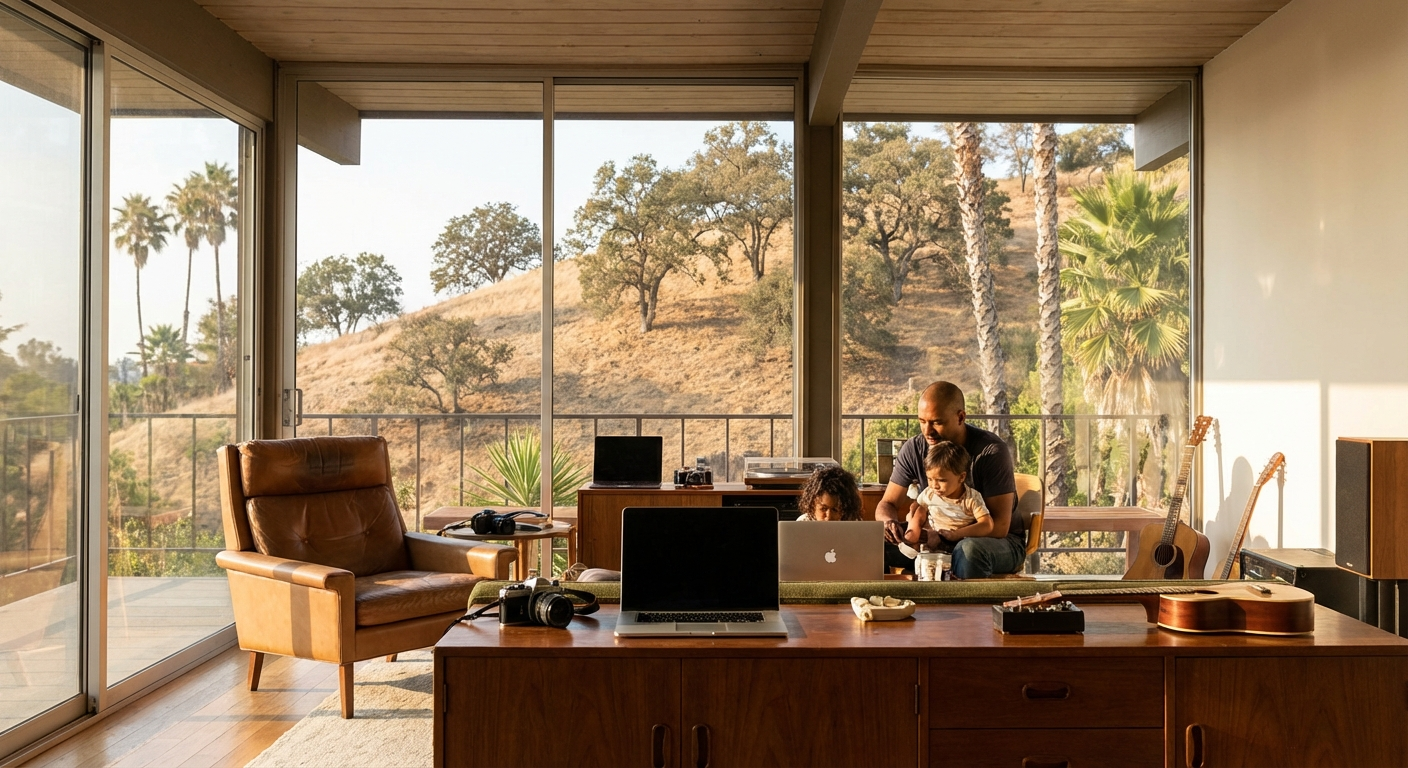
You’ve got your grandma’s engagement ring. Or maybe a collection of rare baseball cards. A professional-grade camera for your photography hobby. These items often have a value that far exceeds what a standard personal property policy will cover. Most policies have specific sub-limits for certain categories of items. For instance, jewelry might be capped at $1,500 per item or $2,500 total, even if your overall personal property coverage is $100,000. That’s not the whole story.
This is where “scheduling” items comes in. You can add an endorsement to your policy, often called a “scheduled personal property endorsement” or “personal articles floater,” to specifically insure high-value items for their appraised amount. You’ll need a recent appraisal for things like jewelry, art, or antiques. For electronics or collectibles, sometimes a receipt is enough. Scheduling provides broader coverage, too, often protecting against more types of loss, like accidental loss or mysterious disappearance, which typically aren’t covered by your basic policy. If you’ve got something truly precious, don’t leave it to chance.
Understanding Your Coverage Limits
How much personal property coverage do you actually need? It’s a tough question, and one many people guess at. Most standard homeowner policies automatically set your personal property limit as a percentage of your dwelling coverage — usually somewhere between 50% and 70%.
So, if your house is insured for $500,000, your personal property might be automatically set at $250,000 to $350,000. Is that enough? Maybe. Maybe not. The best way to figure it out is to do a home inventory. It sounds like a chore, and honestly, it can be. But it’s invaluable. Walk through every room, open every drawer, take photos or videos, and list out your belongings with their estimated replacement cost. There are apps for this now, making it a bit easier. This inventory isn’t just for setting your limits; it’s also a godsend if you ever need to file a claim. Imagine trying to remember every single item you owned after a fire. It’s almost impossible without a list.
What About Earthquake and Flood?
This is a really important point for anyone living in California. Your standard homeowner’s policy, even with excellent personal property coverage, *does not* cover damage from earthquakes or floods. Not a drop. Not a tremor. These perils require separate policies.
If you live in a high-risk flood zone, like areas near the rivers in the Sacramento Valley or along the coast, you’ll need flood insurance, usually through the National Flood Insurance Program (NFIP). For earthquakes, especially if you’re in the Bay Area, Los Angeles, or really anywhere near one of our many fault lines, you’ll need an earthquake policy. The California Earthquake Authority (CEA) is the largest provider here, but other private insurers offer options too. These separate policies will have their own personal property limits and deductibles. It’s a completely different ballgame. Don’t assume your personal property is covered for *everything* under your main policy. That’s a mistake too many Californians make.
Off-Premises Coverage: Is Your Stuff Covered Everywhere?
You’re traveling for work, maybe to San Jose or down to San Diego. You bring your laptop. Or your kid takes their expensive new skateboard to a friend’s house in the next town over. What happens if these items are stolen or damaged *away* from your home?
Good news: most homeowner policies extend some personal property coverage off-premises. Generally, it’s a smaller percentage of your total personal property limit — often 10% or 20%. So, if you have $100,000 in personal property coverage, you might have $10,000 or $20,000 of that available for items damaged or stolen while you’re out and about. This is super helpful for things like luggage stolen from a hotel room, or a laptop swiped from a coffee shop. But wait — remember those special limits we talked about for jewelry? Those apply off-premises too. So, if your $10,000 engagement ring gets lost on vacation, that $2,500 jewelry sub-limit still applies unless you’ve scheduled it.
The California Challenge: Finding the Right Coverage Now
Honestly, trying to sort out home insurance in California these days feels like a full-time job for many homeowners. We’ve seen major insurers like State Farm and Farmers pulling back or limiting new policies. Premiums for some homeowners in high-risk areas—say, the foothills of the Sierra Nevada or parts of Malibu—have jumped 40% or even 60% between 2022 and 2024. It’s frustrating. It’s confusing. And it can be genuinely frightening to think about what happens if you can’t get coverage at all.
This market instability affects personal property coverage too. While the core issues are usually related to wildfire risk and the dwelling itself, insurers are looking at all aspects of risk. Some might offer less generous personal property limits, or push for ACV coverage to reduce their payouts. Others might simply decline to offer a policy at all, leaving you to the California FAIR Plan — which is a safety net, but often comes with higher prices and more basic coverage. Understanding the nuances of your personal property coverage is even *more* important when the market feels so turbulent. You don’t want to find out after a loss that your policy isn’t what you thought it was.
Don’t Guess, Get Help
Trying to decipher policy language, compare different quotes, and understand all the California-specific rules (like Prop 103, which gives the state insurance commissioner power over rates) can make your head spin. You don’t have to do it alone. This is exactly what an experienced insurance agent is for. Someone who understands the complexities of the California market, who can explain ACV versus replacement cost in plain English, and who can help you build an inventory without making you feel like you’re doing homework.
Karl Susman, from California Homeowner Quotes, has been helping Californians just like you navigate these tricky waters for years. He gets it. He understands the fears, the confusion, and the need for clear, honest answers. He and his team (CA License #0B75129) can walk you through your options, help you understand exactly what your personal property coverage means, and find solutions that fit your unique situation, even if you’re in a high-risk area or have faced non-renewal. You can reach them directly at (877) 411-5200.
Finding the right coverage for your home and everything inside it doesn’t have to be a source of constant anxiety. Take a deep breath. There are solutions.
Ready to explore your options for California home insurance, including personal property coverage tailored for your needs? Get a personalized quote today and see what’s available.
Get Your California Home Insurance Quote Now!
Frequently Asked Questions About Personal Property Coverage
Does my personal property coverage protect my business equipment?
Generally, no. Most homeowner policies have very limited coverage for business property stored at home, often capped at $2,500. If you run a business from your house, you’ll likely need a separate business insurance policy (a business owner’s policy or BOP) to adequately cover your equipment, inventory, and liability. It’s a common oversight that can lead to big problems.
What if I rent out a room in my house? Does my policy cover my renter’s stuff?
Not usually. Your personal property coverage is designed for *your* belongings. Your renter would need to get their own renter’s insurance policy to protect their possessions. You can certainly recommend they do so, but it’s not your responsibility to cover their property.
Is my personal property covered if I store it in a self-storage unit?
It depends on your policy and the storage unit location. Some policies extend a small percentage of your personal property coverage (often 10%) to off-site storage units, but it might have specific limitations on how long it’s stored or what caused the damage. For longer-term storage or high-value items, you might need to purchase separate insurance directly from the storage facility or an endorsement on your own policy.
Does my personal property coverage help if my identity is stolen?
Some modern homeowner policies do include a small amount of coverage for identity theft recovery expenses. This isn’t for replacing lost items, but for the costs associated with restoring your identity, like legal fees or credit monitoring services. Check your specific policy; it’s often an add-on or an included benefit with a low limit.
If I have a break-in, what’s covered besides the stolen items?
Beyond the value of your stolen personal property, your policy might also cover damage to your dwelling caused by the break-in itself — like a broken window or a forced door. The costs associated with securing your home after the event, such as changing locks, could also be included. Always report break-ins to the police immediately, as a police report is essential for filing a claim.
Don’t let uncertainty about your home insurance keep you up at night. Get clear answers and personalized options for your California home and all your personal property.
Click Here for a California Home Insurance Quote!
This article is for informational purposes only and does not constitute financial advice.