
The Unseen Threat: Why California Homeowners Can’t Ignore Flood Insurance Anymore
The Millers had lived in their Ojai home for nearly two decades. Perched on a gentle slope, surrounded by oak trees, it felt like a little slice of paradise. They’d seen their share of California weather – hot summers, occasional Santa Ana winds – but never a real flood. Their standard home insurance policy, like most, covered fire, theft, and wind damage. It felt sufficient. Then came the winter of 2023, an atmospheric river unlike anything they’d experienced.
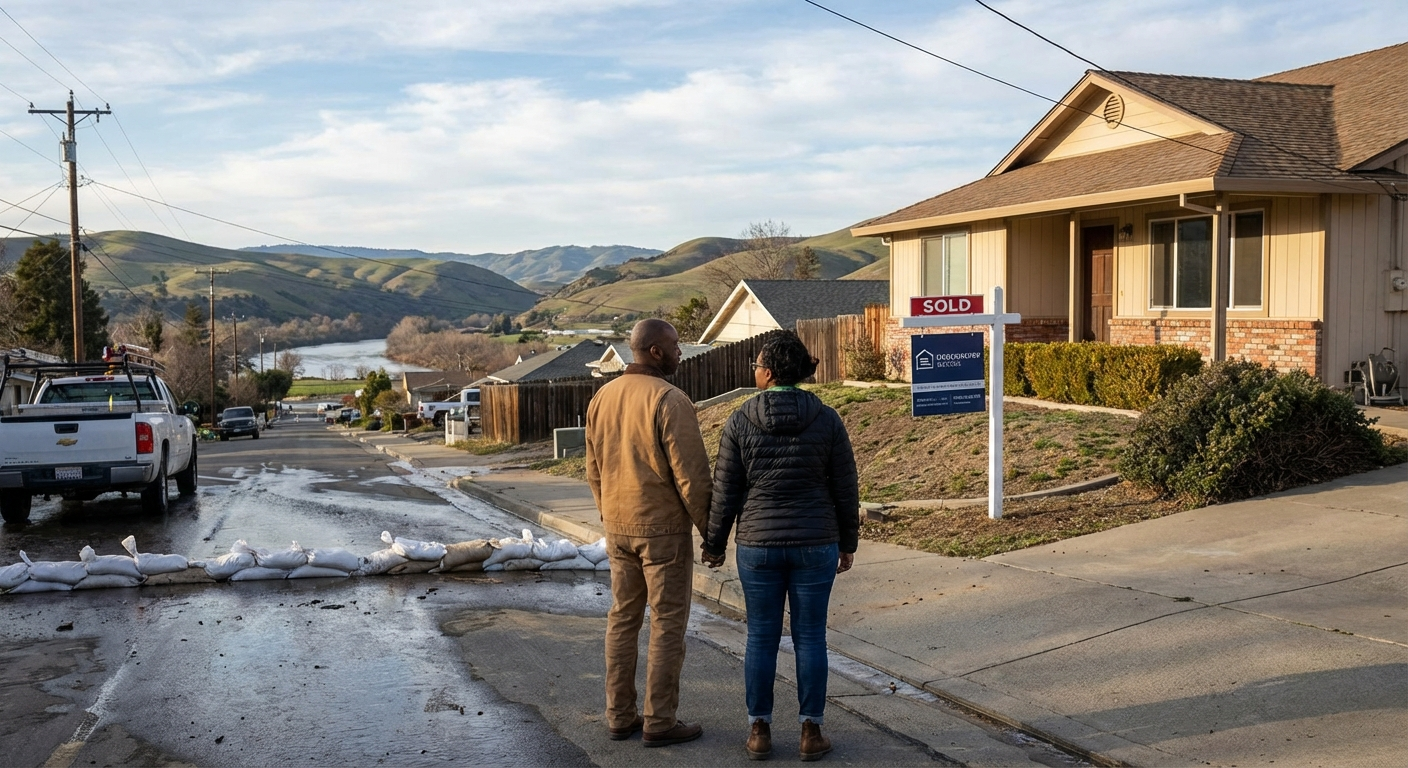
Rain poured for days. Not just a steady drizzle, but a relentless, heavy deluge. The creek at the bottom of their property, usually a gentle trickle, swelled into a raging torrent. But that wasn’t the real problem. The bigger issue was the runoff from the hills above, still scarred from a wildfire years earlier. Without the protective vegetation, the soil couldn’t hold the water. Their quiet street turned into a muddy river. Within hours, the Miller’s garage was inundated, then water seeped under the back door, ruining their living room carpet and warping the hardwood floors.
They called their insurance company. A friendly voice explained, patiently, that their policy didn’t cover “flood.” Not even a little bit. That’s when the Millers learned a hard, expensive lesson: most home insurance policies specifically exclude flood damage. This isn’t just a California thing; it’s standard across the country. But here in the Golden State, with our unique mix of geography and climate, understanding this distinction is more important than ever.
What “Flood” Really Means to Insurers
Most folks think of a flood as a massive river overflowing its banks, or maybe a hurricane storm surge. In California, it’s often far more insidious. It could be that atmospheric river turning your street into a lake. Perhaps heavy rains overwhelm storm drains in the Inland Empire, sending water rushing into homes that have never seen it before. Maybe it’s a levee breach in the Sacramento-San Joaquin Delta, suddenly submerging farmland and communities.
And then there’s the terrifying connection between fire and flood. A wildfire can strip hillsides bare. When the rains come, sometimes months or even a year later, that denuded landscape can’t absorb the water. It becomes a slick, unstable surface, sending mud and debris – not just water – hurtling down into homes in places like Montecito or the hills of Ventura County. Your home insurance might cover the fire, but the mudslide? Often not, if it’s considered flood-related.
This is where the Millers found themselves. Their initial thought was, “But it wasn’t a river! It was just water from the street.” Their insurer saw it differently. Any general and temporary condition of partial or complete inundation of two or more acres of normally dry land or of two or more properties from overflow of inland or tidal waters, unusual and rapid accumulation or runoff of surface waters from any source, or mudflow. That’s the definition used by the National Flood Insurance Program (NFIP), and it’s what most private insurers follow, too. Big difference from a broken pipe inside your house, which *is* usually covered by standard homeowners insurance.
Finding Flood Coverage: NFIP or the Private Market?
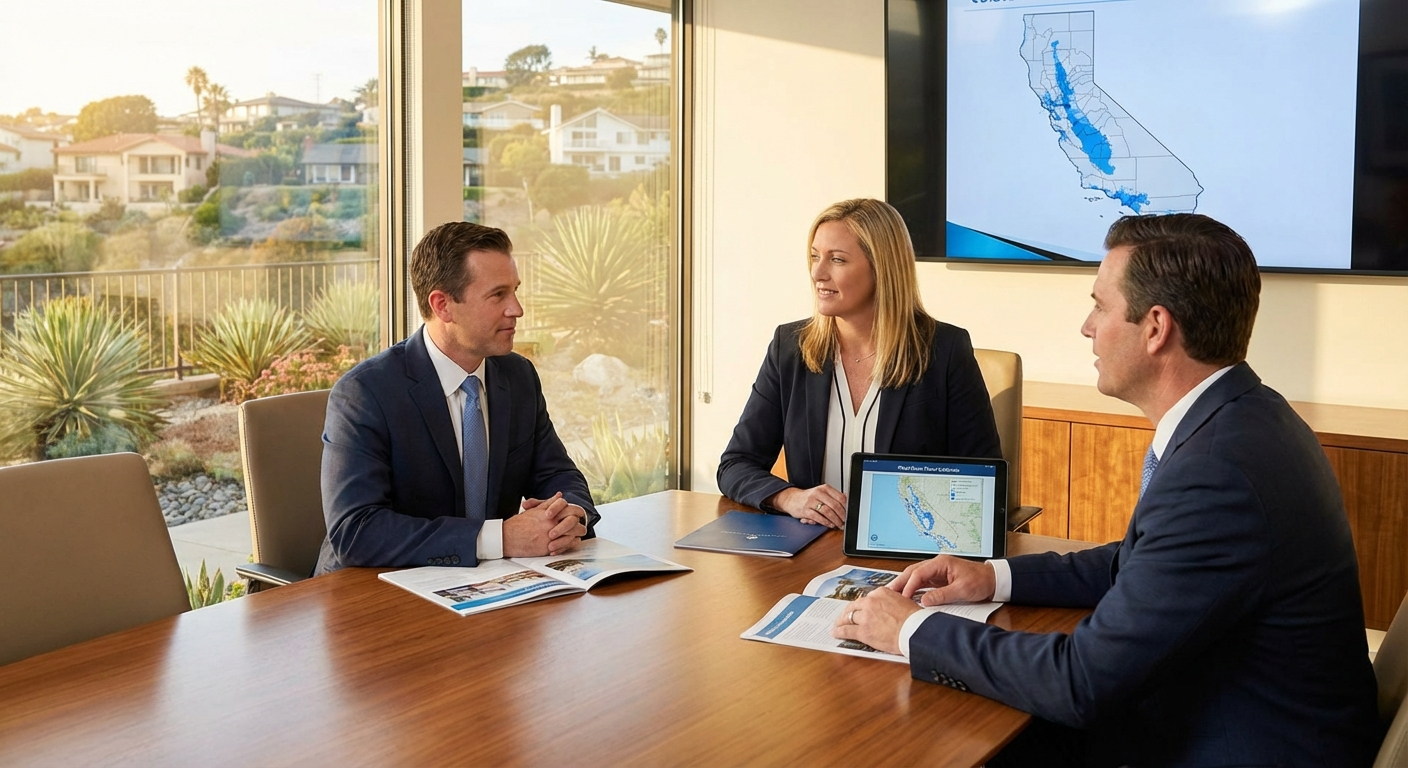
So, if your regular home policy won’t cover it, where do you turn? For decades, the primary source of flood insurance in the United States has been the National Flood Insurance Program, or NFIP. It’s managed by FEMA and offers policies through a network of insurance companies. You’ll likely buy an NFIP policy through a local agent, like Karl Susman at California Homeowner Quotes, CA License #0B75129.
The NFIP has been around since 1968, and it’s been the backbone of flood coverage. But here’s where it gets interesting. In recent years, the private flood insurance market has really grown. These are policies offered by companies like Neptune, Palomar, or Aon. Sometimes, they can offer more coverage or even better pricing than the NFIP, especially for homes that aren’t in the highest-risk flood zones.
Why the growth? The NFIP has been undergoing some significant changes with its “Risk Rating 2.0” system. This new method aims to price policies based on a property’s actual flood risk, using advanced mapping and data, rather than just whether it’s in a designated flood zone. For some homeowners, this has meant lower premiums. For others, particularly those in areas previously thought to be lower risk, it’s meant significant increases. Premiums jumped nationally, with some seeing 40-50% increases in certain areas. This shift has opened the door for private insurers to step in and offer competitive alternatives.
California’s Shifting Flood Picture
California’s flood risks aren’t static. We’re seeing more intense rainfall events, often called “atmospheric rivers,” which can dump massive amounts of water in short periods. Consider the San Joaquin Valley or the agricultural lands near the Pajaro River, which saw extensive flooding in early 2023. These aren’t areas people always associate with floods, but the reality is changing.
Coastal communities, too, face increasing risks from sea-level rise and storm surges. What about urban areas? Think about the sprawling cities of Los Angeles or San Diego. Impermeable surfaces – concrete, asphalt – mean water has nowhere to go but into streets and, eventually, homes during heavy downpours. Even if you’re on a hill, excessive runoff can still be an issue.
Then there’s the impact of our drying climate. Counter-intuitive, right? But drier conditions lead to more severe wildfires. More wildfires leave more denuded hillsides. More denuded hillsides mean a much higher risk of devastating mudslides and debris flows when the rains finally do arrive. It’s a cruel cycle. A home in Malibu might seem safe from the ocean, but a fire on the hills above could make it vulnerable to floods in the next rainy season.
What Drives the Cost of Flood Insurance?
Many homeowners naturally wonder about the price tag. Honestly, it varies a lot. Three things drive your premium up: your home’s flood zone designation, its elevation, and the amount of coverage you choose.
If your home is in a high-risk flood zone (like an AE or VE zone on FEMA’s maps), you’ll almost certainly pay more. The good news? Even within those zones, a home built higher off the ground – perhaps on stilts or with an elevated foundation – will often have lower premiums. Newer homes often have better flood mitigation measures built in. Older homes might need elevation certificates to accurately assess risk.
But wait — you don’t have to be in a “flood zone” to experience a flood. About 25% of all flood claims come from properties outside high-risk zones. This is something most people miss. Just because FEMA maps say you’re in a “moderate” or “low” risk area doesn’t mean you’re immune. It simply means your risk is lower, and your premium might be more affordable. This is often where private market options shine, sometimes offering more flexible coverage options.
For a clearer picture of what your options might look like, it’s smart to talk to an independent agent. They can compare policies from both the NFIP and the growing private market.
Ready to explore your flood insurance options? You can get a quick quote and see what’s available for your California home. Get your California flood insurance quote today!
The Agent’s Role: More Than Just a Policy
Choosing flood insurance isn’t like picking a movie on a streaming service. There are nuances. What about your detached garage? Your finished basement? Your personal belongings? Flood policies typically offer two main types of coverage: building coverage (the structure itself, its foundation, plumbing, furnace, etc.) and contents coverage (your furniture, electronics, clothing, etc.). You can choose to buy one or both.
An experienced agent like Karl Susman understands these distinctions. He knows the ins and outs of both NFIP and private policies. He can help you understand your property’s specific flood risk, explain how the new NFIP Risk Rating 2.0 might affect you, and compare different quotes to find the right fit for your budget and needs. It’s not just about getting a policy; it’s about getting the *right* policy.
For example, maybe you’re in an area like the Valley where localized street flooding is the main concern, not a river overflowing. Or perhaps you’re near a hillside that’s recently burned. An agent who knows California’s unique challenges can guide you through the options, whether it’s a traditional NFIP policy or a newer private market offering. They can even explain the typical 30-day waiting period for most flood policies to take effect – a detail that often surprises people who try to buy coverage when the storm clouds are already gathering. Don’t wait until the water’s rising; that’s too late.
Don’t Get Caught Off Guard
The Millers eventually recovered, but it was a long, expensive road. They had to pay out of pocket for much of the damage, and the emotional toll was significant. Their story isn’t unique. Across California, from the densely populated areas of Orange County to the rural communities of Humboldt, water can cause unexpected devastation.
You might think, “My property value is high; I can absorb the cost.” But a major flood event can easily run into tens of thousands, even hundreds of thousands of dollars in repairs and replacement costs. That’s a huge hit for anyone.
The reality is, flood risk is a serious consideration for every California homeowner. It’s not just about being in a “flood zone” anymore. It’s about atmospheric rivers, wildfires, aging infrastructure, and shifting weather patterns. Don’t let a misunderstanding of your homeowner’s policy leave you vulnerable.
If you’re still wondering about your flood risk or want to understand your options, it makes sense to reach out. Karl Susman and the team at California Homeowner Quotes, CA License #0B75129, are here to help California homeowners make informed choices.
Take the first step towards protecting your home from the unexpected. Get a personalized flood insurance quote for your California property now. Click here to get your flood insurance quote!
Frequently Asked Questions About Flood Insurance in California
Q: Does my standard homeowner’s insurance policy cover flood damage in California?
A: Almost certainly not. Standard homeowner’s policies specifically exclude damage caused by floods, including those from heavy rains, overflowing rivers, or mudslides that are considered flood-related. You need a separate flood insurance policy for that protection.
Q: Am I required to buy flood insurance if I live in California?
A: If your home is in a high-risk flood zone (like an AE or VE zone as designated by FEMA) and you have a mortgage from a federally regulated or insured lender, then yes, you’ll likely be required to purchase flood insurance. Even if you’re not required, it’s often a smart idea, as floods can happen anywhere.
Q: What’s the difference between NFIP and private flood insurance?
A: The NFIP (National Flood Insurance Program) is a federal program managed by FEMA, offering policies through private insurers. Private flood insurance is offered directly by private insurance companies and can sometimes provide more coverage options or competitive pricing, especially for properties outside the highest-risk zones. An independent agent can help you compare both.
Q: How long does it take for a flood insurance policy to go into effect?
A: Most flood insurance policies, whether through the NFIP or the private market, have a waiting period of 30 days before coverage becomes effective. This means you can’t wait until a storm is forecast to buy a policy and expect it to cover immediate damage. Plan ahead!
Q: Does flood insurance cover mudslides caused by wildfires?
A: If a mudslide is considered a “mudflow” (a river of liquid mud) and it meets the NFIP definition of a flood, then a flood insurance policy would typically cover it. However, if it’s a “landslide” (earth falling due to instability), it’s generally not covered by flood insurance. This distinction can be tricky, which is another reason why talking to an expert is so helpful.
This article is for informational purposes only and does not constitute financial advice.