Living on Shaky Ground: Understanding California Earthquake Coverage
California homeowners face a unique reality. We live in a place of incredible beauty and constant geological motion. Most of us know the drill: an earthquake can hit anytime. It’s not a question of *if*, but *when*. Yet, many people don’t realize their standard home insurance policy won’t cover the damage a major quake leaves behind. Not a dime. That’s where an earthquake endorsement comes in.
Think of it as a separate layer of protection, something you add to your existing homeowner’s policy. It isn’t automatic. It’s an extra step, an additional premium, and for many, a necessary peace of mind. Without it, if the Big One hits, you’re on your own. Rebuilding your home, replacing everything inside it, finding somewhere to live while repairs happen — all those costs fall squarely on your shoulders. It’s a risk few Californians can truly afford to take.
What an Earthquake Endorsement Actually Does
So, what exactly are you buying? An earthquake endorsement typically covers damage to your home’s structure, your personal belongings, and sometimes even the cost of living elsewhere if your home becomes uninhabitable. This isn’t just about covering the obvious cracks in the foundation or a collapsed wall. It’s also for things like a gas line rupture, water damage from broken pipes, or even fire that starts *because* of an earthquake.
The coverage usually mirrors parts of your standard homeowner’s policy, but specifically for earthquake-related events. You’ll see terms like “Dwelling Coverage” for the structure itself, “Personal Property” for your stuff inside, and “Loss of Use” or “Additional Living Expenses” to help with temporary housing, food, and other costs if you’re displaced. These are all crucial pieces of the puzzle.

Decoding the Deductible: A Different Kind of Calculation
Here’s where it gets interesting. Earthquake deductibles work differently than your standard home insurance deductible. For most home policies, you might have a flat $1,000 or $2,500 deductible. With earthquake coverage, it’s almost always a percentage of your dwelling coverage. We’re talking 10%, 15%, or even 20%.
Let’s say your home is insured for $500,000. A 15% earthquake deductible means you’d pay the first $75,000 of damages yourself before the policy kicks in. That’s a big number. It’s a significant out-of-pocket expense, and it’s why many people hesitate. But wait — even with a high deductible, it’s still far less than rebuilding an entire home from scratch. The deductible choice directly impacts your premium. A higher deductible usually means a lower premium, and vice-versa. It’s a balancing act between what you can afford upfront and what you pay monthly or annually.
The CEA vs. Private Insurers: Who’s Who in Earthquake Coverage?
For a long time, the California Earthquake Authority (CEA) was the main game in town. Created by the state legislature after the 1994 Northridge quake, the CEA is a publicly managed, privately funded organization. Many homeowners get their earthquake coverage through the CEA, often bundled with their existing home insurance policy from major carriers like State Farm, Farmers, or AAA. These carriers act as agents for the CEA.
But that’s not the whole story. The insurance landscape is always shifting. Over the last few years, especially as home insurance premiums across California have jumped, and some big names have pulled back from certain markets, private insurers have stepped up. Companies like Palomar, GeoVera, and others now offer their own standalone earthquake policies. Sometimes, these private options can offer different coverage limits, lower deductibles, or even better pricing for certain properties or locations compared to the CEA. It really depends on your specific situation, your home’s age, and where you live.
Which brings up something most people miss. The CEA has specific rules and coverage options. Private insurers might be more flexible. They might offer coverage for things the CEA doesn’t, or structure their policies in a way that better suits your needs. It’s not a one-size-fits-all situation.
What Drives the Cost? Location, Location, Location (and More)
Honestly, several factors push your earthquake premium up or down.
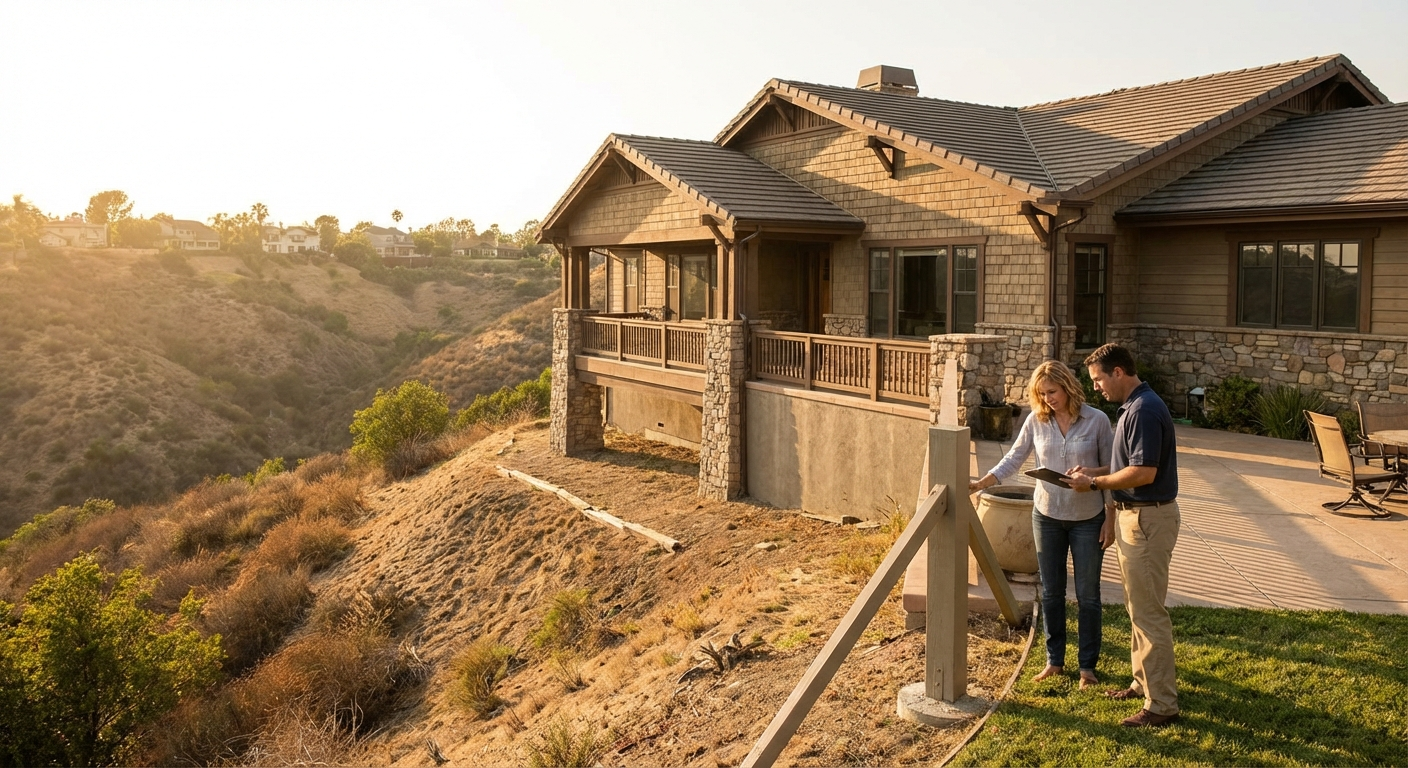
First, your home’s location is huge. Are you near a known fault line? The closer you are to the San Andreas or Hayward faults, for example, the higher your risk, and thus, your premium. Soil type matters too. Homes built on liquefaction zones — areas where saturated sandy soil can lose strength during a quake — face higher costs. Think parts of the Sacramento-San Joaquin Delta or even some coastal areas in Ventura County.
Then there’s your home itself. Older homes, especially those built before 1980, often cost more to insure against earthquakes. Why? They might not have been built to modern seismic standards. Retrofitting — things like bolting your house to its foundation or strengthening cripple walls — can sometimes lower your premium, or at least make your home more insurable. Construction type also plays a role. A wood-frame house might be rated differently than a masonry one.
Finally, your chosen deductible and coverage limits directly impact the price. Want a lower deductible? You’ll pay more upfront. Want higher coverage for your personal property? That’ll add to the cost too.
The “It Won’t Happen to Me” Trap
For most California homeowners, the biggest hurdle to getting earthquake coverage is the cost. It’s an additional expense on top of already rising home insurance premiums. Premiums for earthquake coverage can range from a few hundred dollars a year to several thousand, depending on all those factors we just talked about. It’s easy to look at that number and think, “I’ll take my chances.”
But here’s the thing. That “it won’t happen to me” mentality is incredibly dangerous in California. We’ve seen the damage. The 1994 Northridge quake caused an estimated $20 billion in damage. Imagine trying to come up with that kind of money yourself. The financial devastation can be complete. People lose their homes, their savings, everything they’ve worked for. It’s not just about the cost of repairs; it’s the cost of displacement, the emotional toll, the long road back.
Even a moderate quake, say a 6.0 in the Inland Empire, could cause widespread damage to homes not built to withstand that kind of shaking. It’s a real threat, not some distant possibility.
Why an Expert Matters
Navigating the world of California earthquake insurance can feel like trying to solve a puzzle blindfolded. The options, the deductibles, the differences between CEA and private carriers — it’s a lot to take in. This is exactly where an independent insurance agent like Karl Susman comes in.
An experienced agent from California Homeowner Quotes, CA License #OB75129, doesn’t just offer you one option. They can shop around, comparing policies from the CEA and various private insurers. They understand the nuances of different coverages and can explain the pros and cons of a 10% versus a 15% deductible for your specific situation. They know the market, they know the risks in your area, and they can help you find the best balance of coverage and cost.
You’re not just buying a policy; you’re buying expertise. Karl Susman and his team can help you understand what you’re actually getting, what the exclusions might be, and most importantly, ensure you’re not left exposed when the ground starts to shake. They’ll walk you through the process, answer your questions, and make sure you’re making an informed decision.
If you’re ready to explore your options and protect your home from California’s inevitable seismic activity, don’t wait until it’s too late. Get a personalized quote and see what coverage makes sense for you. Visit us at https://susmaninsurance.com/get-a-quote/ or call Karl Susman at (877) 411-5200.
Frequently Asked Questions About Earthquake Coverage
Does my standard homeowner’s insurance cover earthquake damage?
No, almost all standard homeowner’s insurance policies specifically exclude damage caused by earthquakes. You need a separate earthquake endorsement or a standalone policy for that coverage.
What’s the difference between a CEA policy and a private earthquake policy?
The California Earthquake Authority (CEA) is a state-created entity that offers earthquake insurance, often through major home insurance carriers. Private insurers also offer their own earthquake policies, which can sometimes provide different coverage options, deductibles, or pricing depending on your specific property and location. It’s worth comparing both.
How is an earthquake deductible calculated?
Unlike standard home insurance deductibles, earthquake deductibles are usually a percentage (e.g., 10%, 15%, 20%) of your dwelling coverage amount. So, if your home is insured for $600,000 and you have a 15% deductible, you’d pay the first $90,000 in damages.
Can I get earthquake insurance if my home hasn’t been retrofitted?
Yes, you can still get earthquake insurance without a retrofit. However, retrofitting your home (like bolting it to the foundation) can sometimes qualify you for discounts or make your home more attractive to certain insurers, potentially lowering your premium. It also makes your home safer.
Is earthquake insurance mandatory in California?
No, earthquake insurance is not legally mandatory in California. However, given the high seismic risk in the state, many homeowners choose to purchase it to protect their significant investment.
The ground beneath us is always moving. Protecting your home and your financial future means understanding these risks and taking proactive steps. Don’t leave your biggest asset vulnerable to the next tremor.
To learn more about your earthquake insurance options and get a quote tailored to your needs, reach out to Karl Susman at California Homeowner Quotes, CA License #OB75129. Call (877) 411-5200 or visit https://susmaninsurance.com/get-a-quote/ today.
This article is for informational purposes only and does not constitute financial advice.